
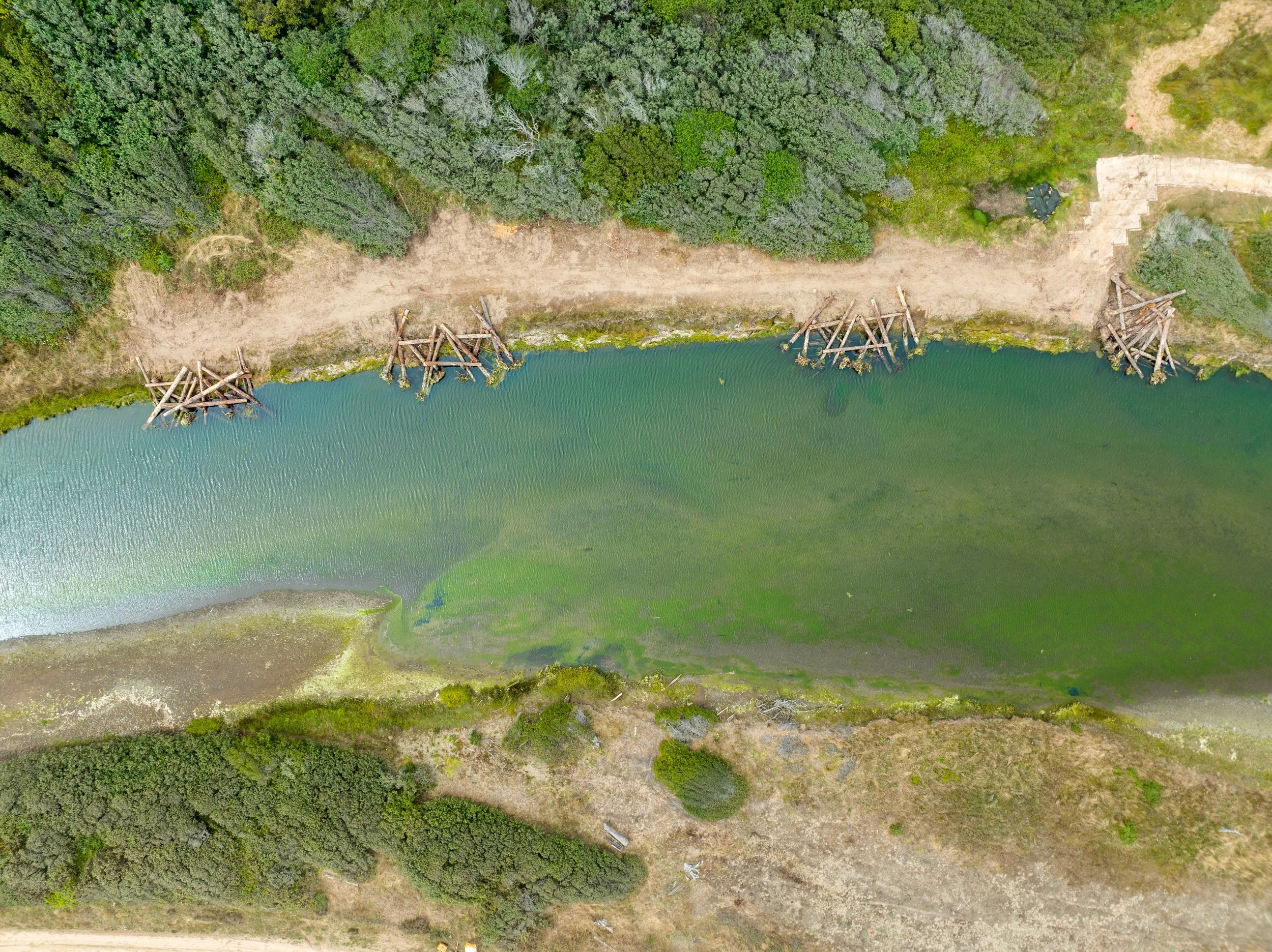
Restoration Design
Civil engineering, landscape architecture, and environmental sciences that promote natural processes and enhance habitat.
WE CREATE RESILIENT DESIGNS THAT ENHANCE BIODIVERSITY AND ECOLOGICAL HEALTH.
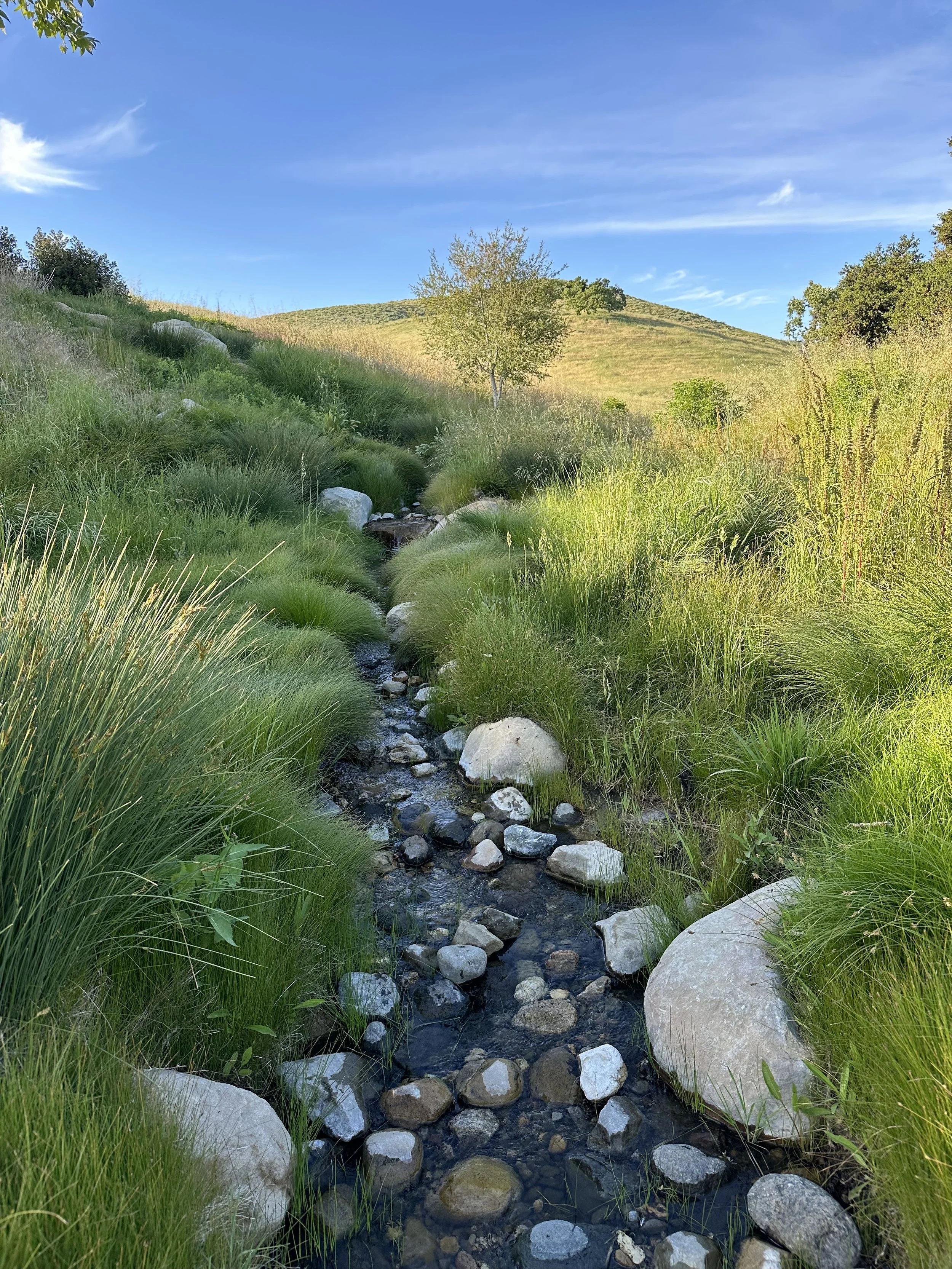
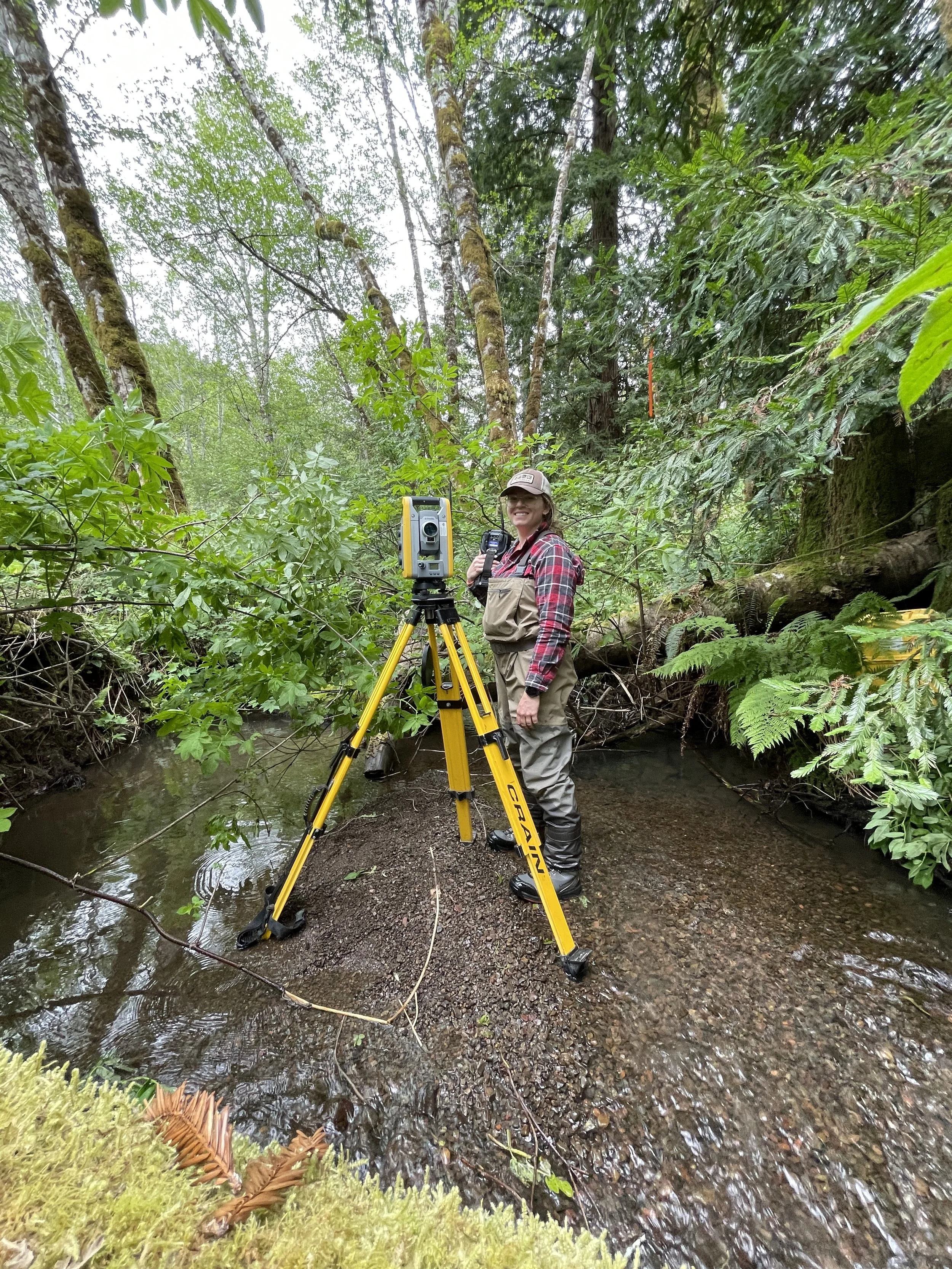
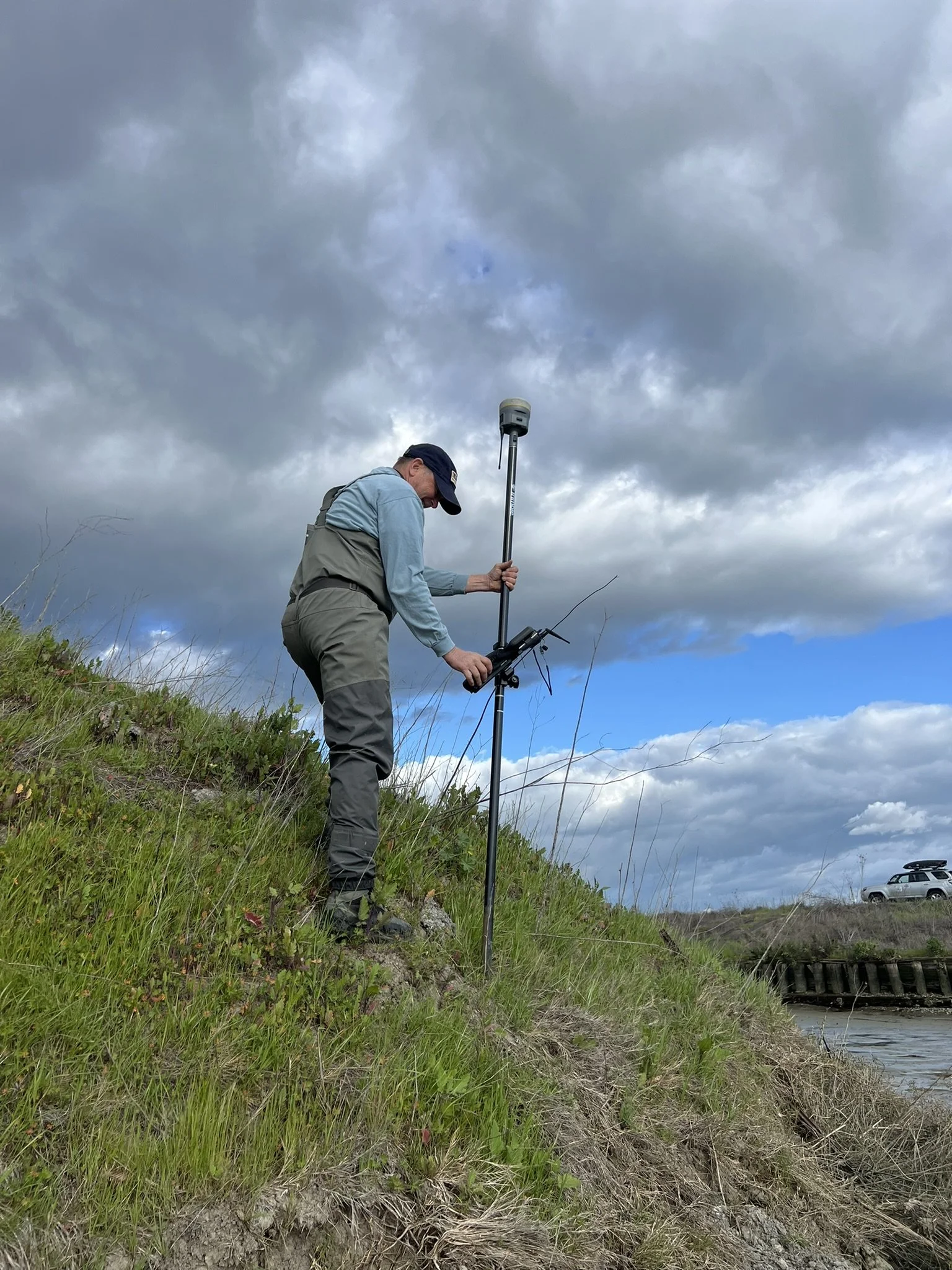
PCI Ecological's Restoration Design team combines expertise in civil engineering, hydrology, fluvial geomorphology, landscape architecture and biology to evaluate and restore landscapes holistically. Our approach begins with comprehensive habitat assessments and feasibility studies that identify existing conditions, missing elements, and restoration potential across both upland and wetland environments. We then develop strategic implementation plans that prioritize interventions based on ecological impact and project constraints, creating a clear pathway from current to desired habitat conditions.
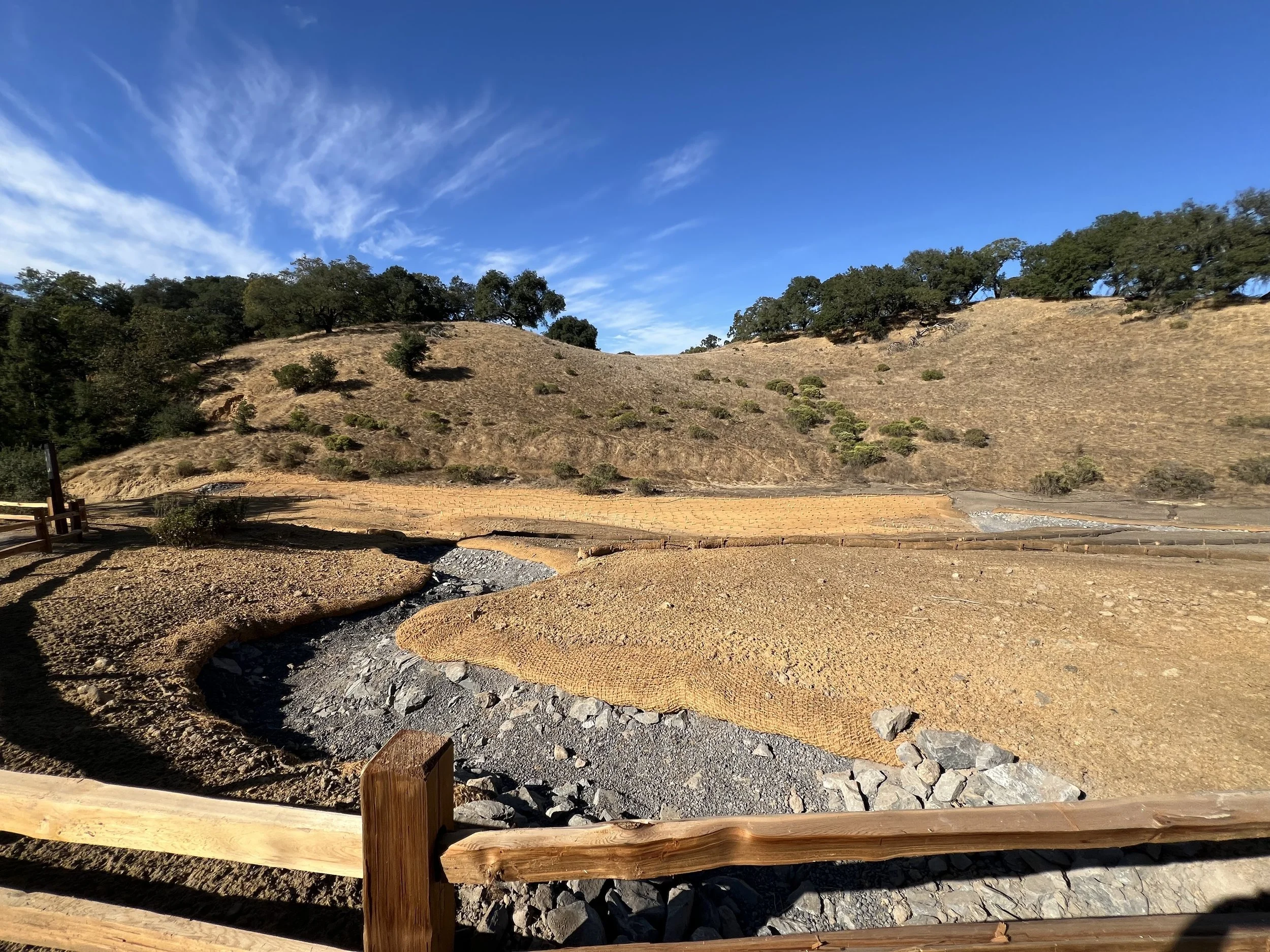
Our designers bring practical construction experience to every project, ensuring seamless implementation of complex restoration initiatives across riparian, salmonid, wetland, and upland migration habitats. From designing sophisticated wetland restoration projects that enhance water quality and provide critical habitat, to implementing upland rehabilitation efforts that prevent erosion and support diverse plant communities, our work addresses the full spectrum of ecological needs. By focusing on reestablishing key geomorphic and biologic processes, we create self-sustaining systems that can thrive independently, contributing to long-term environmental resilience and ecosystem health.
OUR RESTORATION DESIGN SERVICES INCLUDE:
Restoration design for streams, wetlands, and terrestrial habitats
Rainwater capture and water conservation systems
Public access and master planning for parks and preserves
Native revegetation and landscape design
Hydrologic and hydraulic analysis for sustainable water management
Multi-species habitat enhancement and creation
WHERE OUR EXPERTISE MAKES AN IMPACT
-
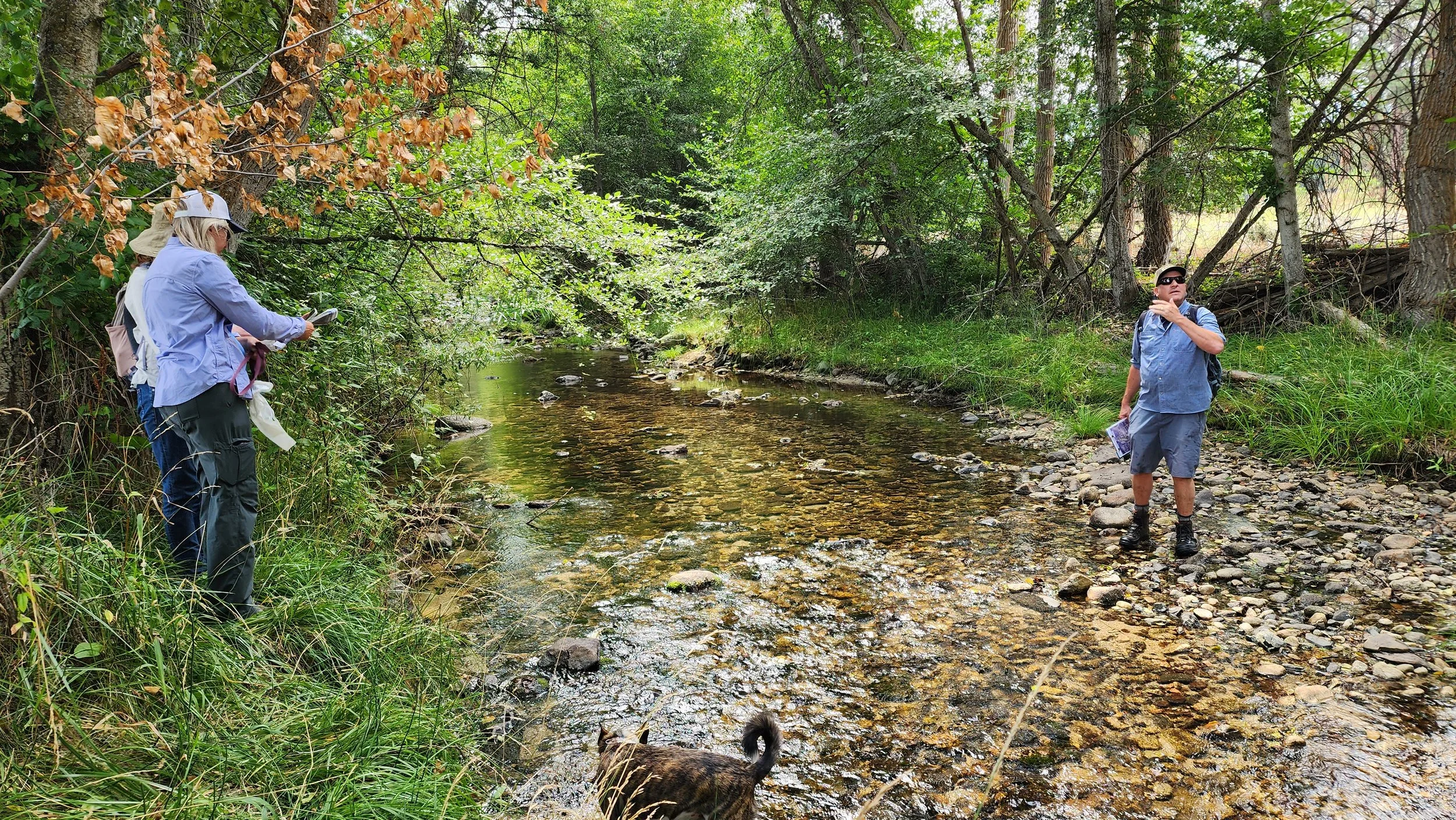
Reestablishing native vegetation along stream banks to stabilize soil, filter runoff, moderate water temperatures, provide wildlife habitat, and supply organic material to aquatic food webs. Restoring natural flood cycles between rivers and adjacent lowlands, allowing seasonal inundation to create diverse wetland habitats, reduce downstream flooding, and improve water quality through natural filtration.
-
Reshaping degraded waterways to restore meanders, pools, and riffles improve water quality, enhance habitat, and reduce erosion while allowing the channel to adjust naturally over time.
-
Constructing or enhancing wetland ecosystems to compensate for impacts elsewhere, carefully designing hydrology, soils, and plant communities to provide water filtration, flood storage, and habitat functions.
-
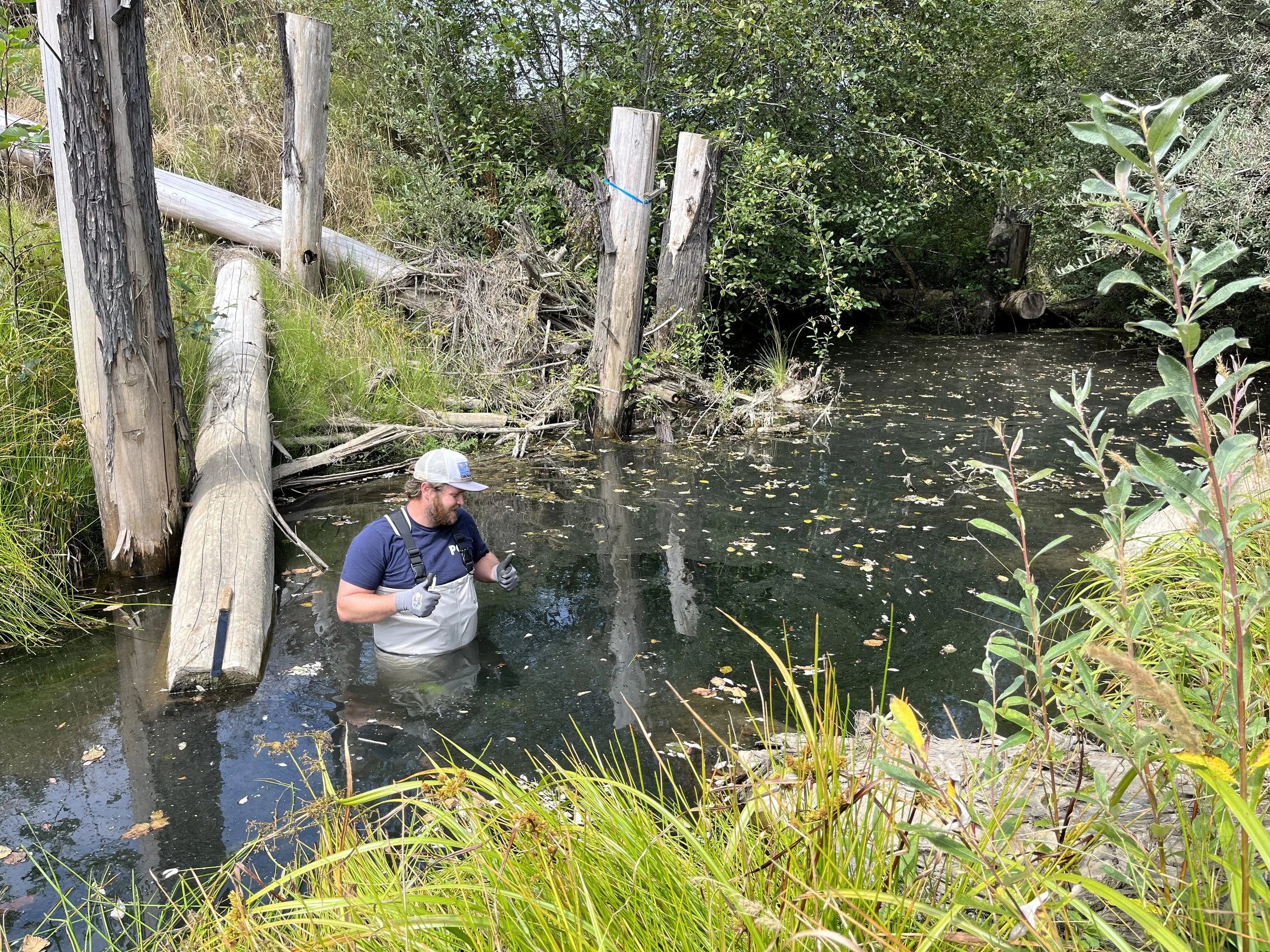
Removing migration barriers and creating in-channel and off-channel habitat features to improve spawning and rearing habitat with appropriate substrate, flow conditions, and cover elements for salmonids and a variety of species that depend on diverse habitat conditions. Creating restoration designs that support a river’s ability to re-establish natural geomorphic processes to create self-sustaining systems that respond to changing flows without human intervention.
-
Removing outdated structures and installing new bridges designed to accommodate natural channel width, flow patterns, and wildlife movement, reconnecting fragmented ecosystems while maintaining human access.
-
Implementing coordinated restoration strategies across large geographic areas, addressing multiple ecosystem components to create functional habitat networks that support biodiversity at watershed or regional scales. Comprehensive initiatives to improve habitat across entire drainage basins, incorporating multiple project types, stakeholder coordination, and long-term monitoring to achieve measurable improvements in watershed health and ecosystem function.
-
Creating or preserving connected areas of natural habitat that allow wildlife to move safely between larger habitat blocks, maintaining genetic diversity, and facilitating seasonal migrations or climate-driven range shifts.
-
Developing restoration plans that anticipate changing conditions, incorporating diverse species and physical features that enhance resilience to increasing temperatures, altered precipitation patterns, and extreme weather events.
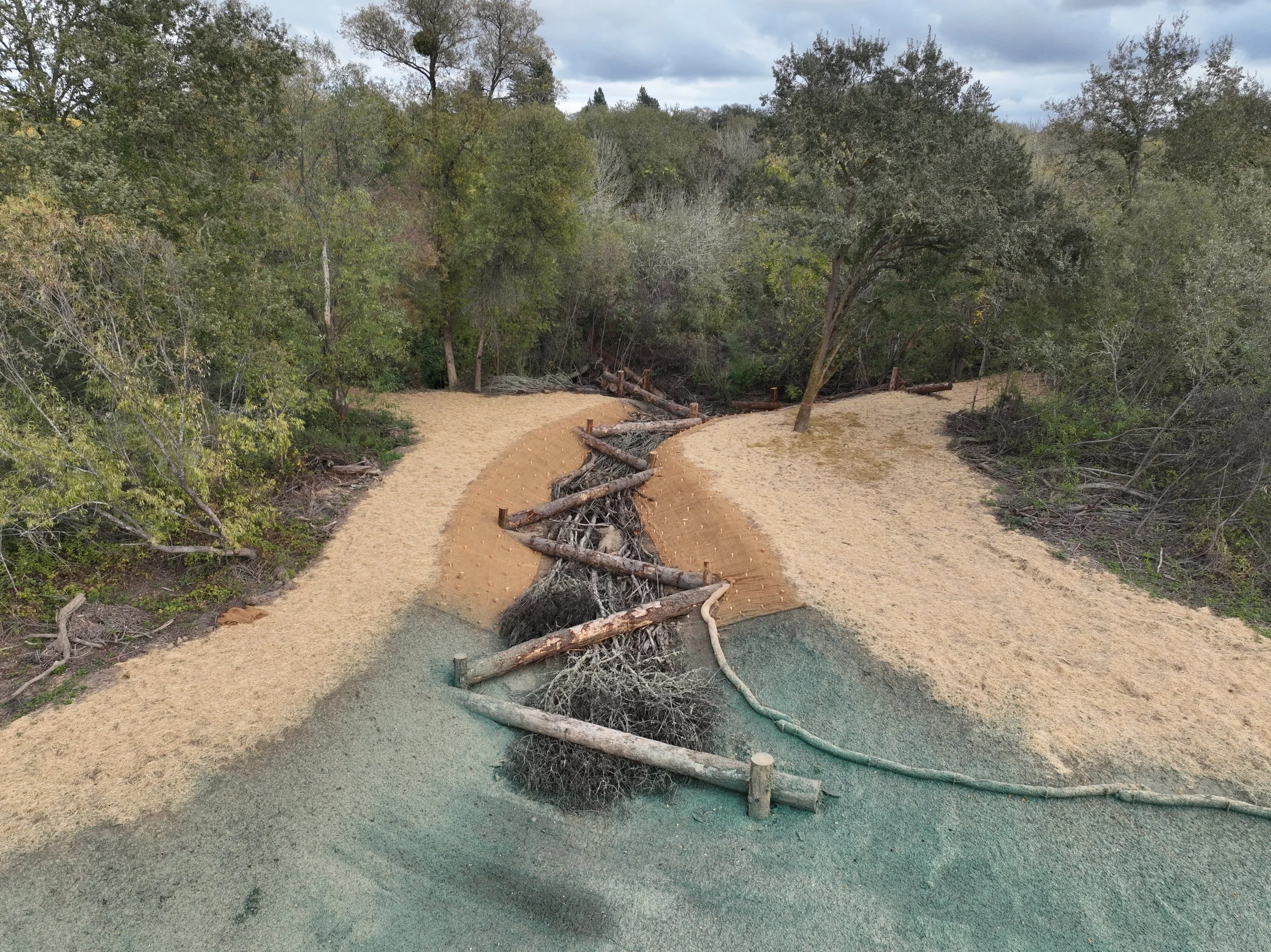
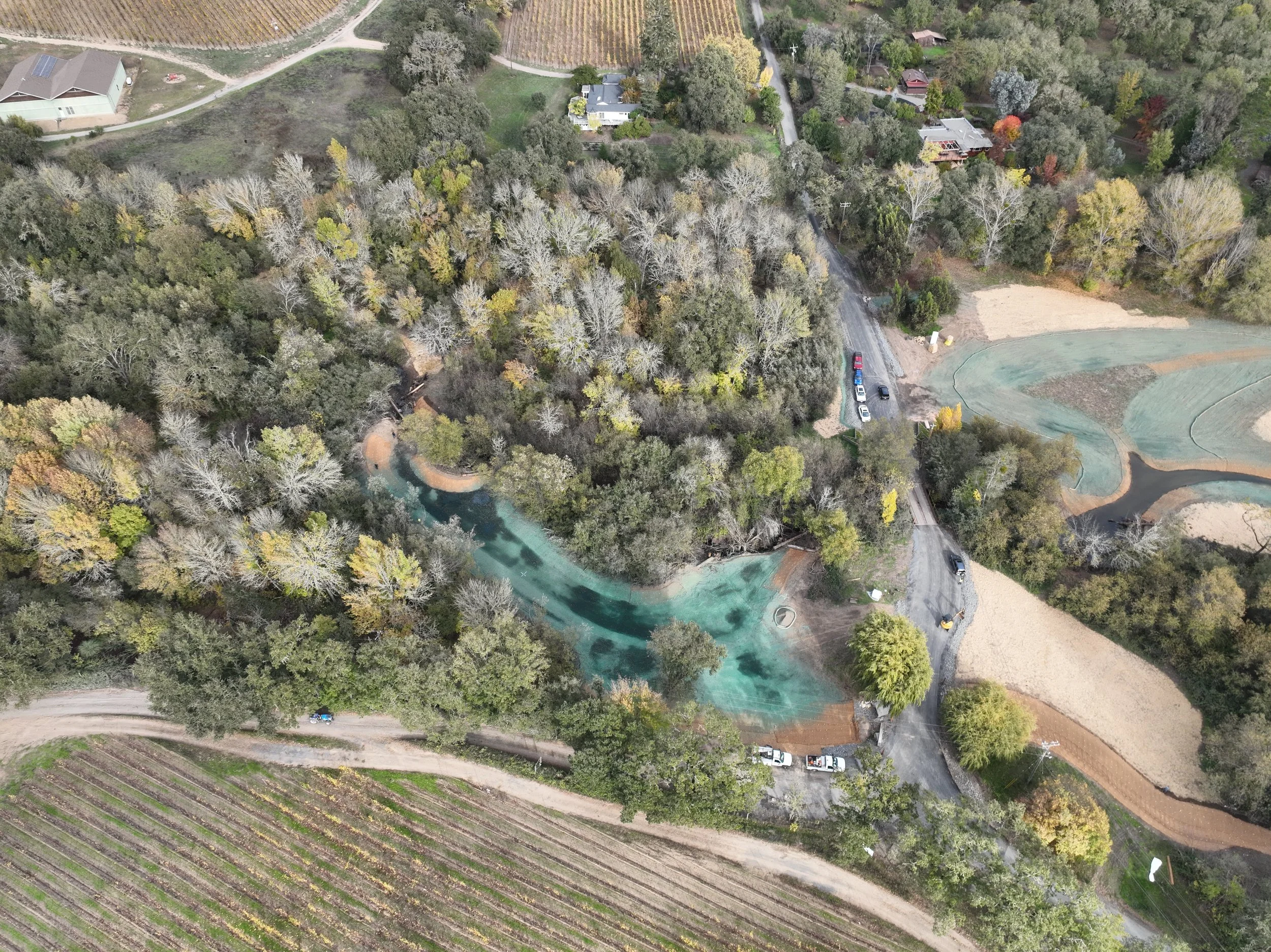
Featured design projects

Connect with our team
At PCI Ecological, our team of dedicated professionals brings creativity, talent, and a deep understanding of the environment to each project. Every undertaking moves forward with a healthy balance between the needs of stakeholders, government agencies, and the land itself.

Mike Jensen
COO, Landscape Architect
mike@pcz.com | 707.824.4601 x107