
Mendocino County, CA
Garcia River Estuary Salmonid Habitat Enhancement Design and Regulatory Compliance
Project Details
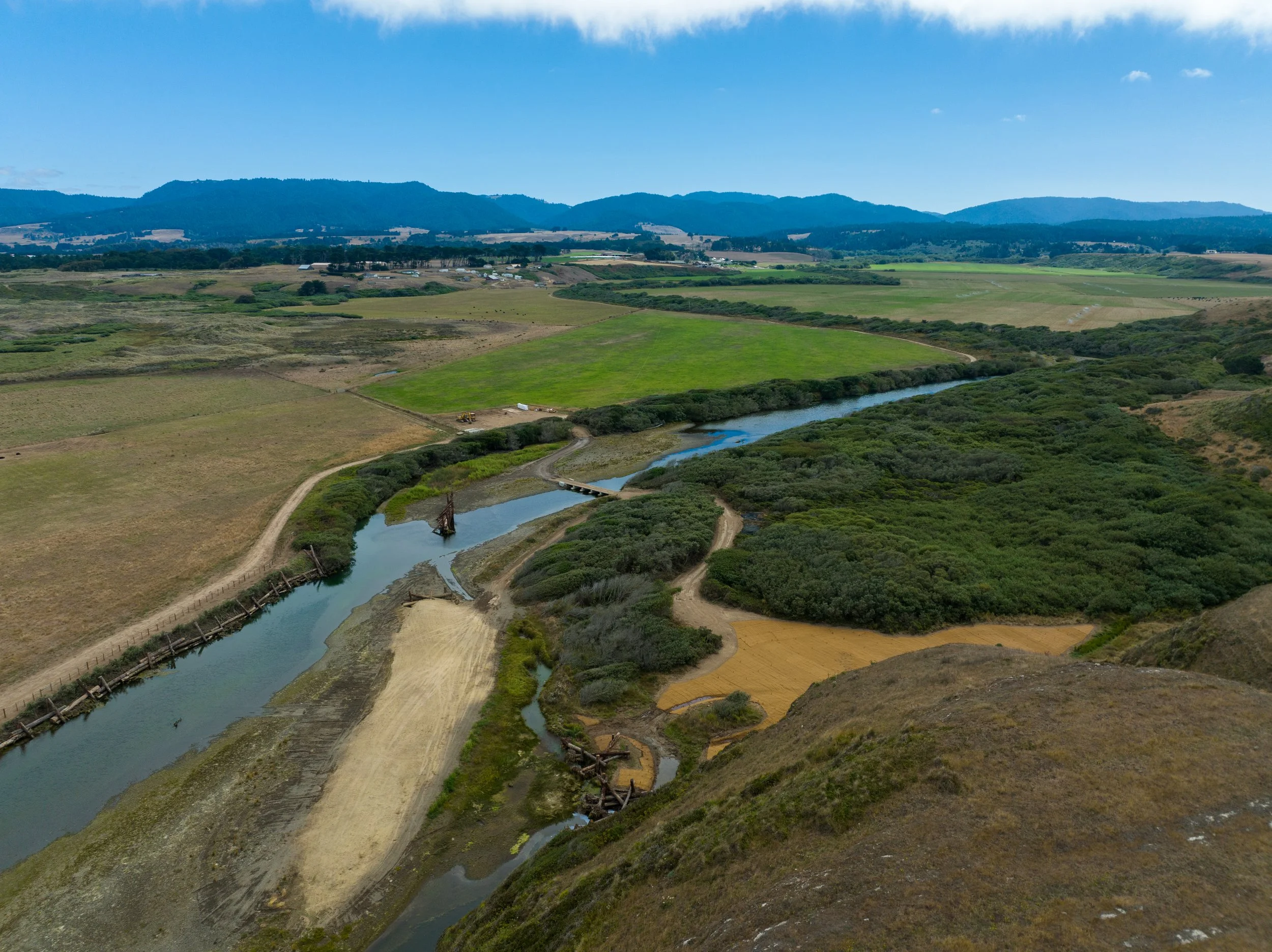
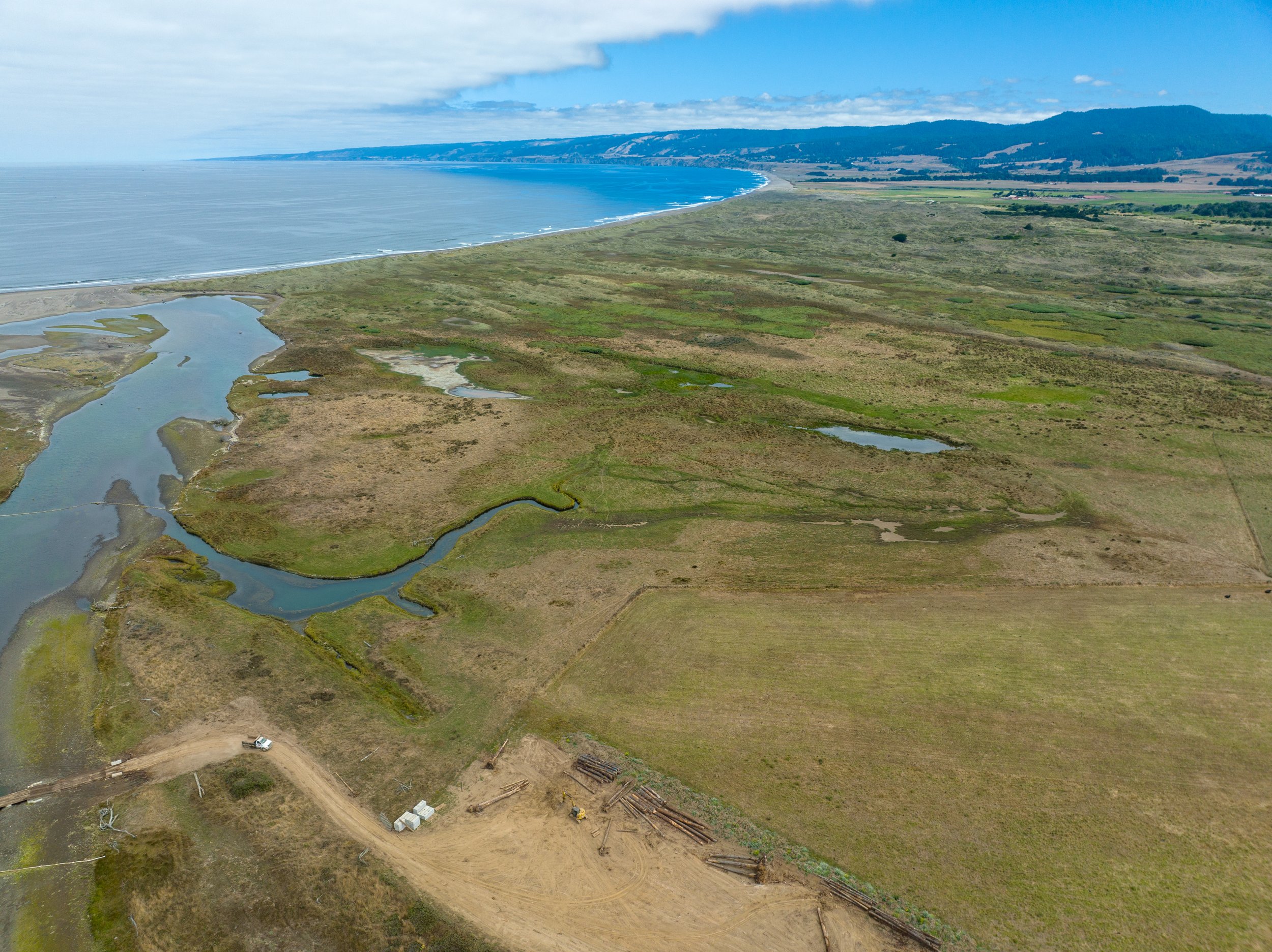
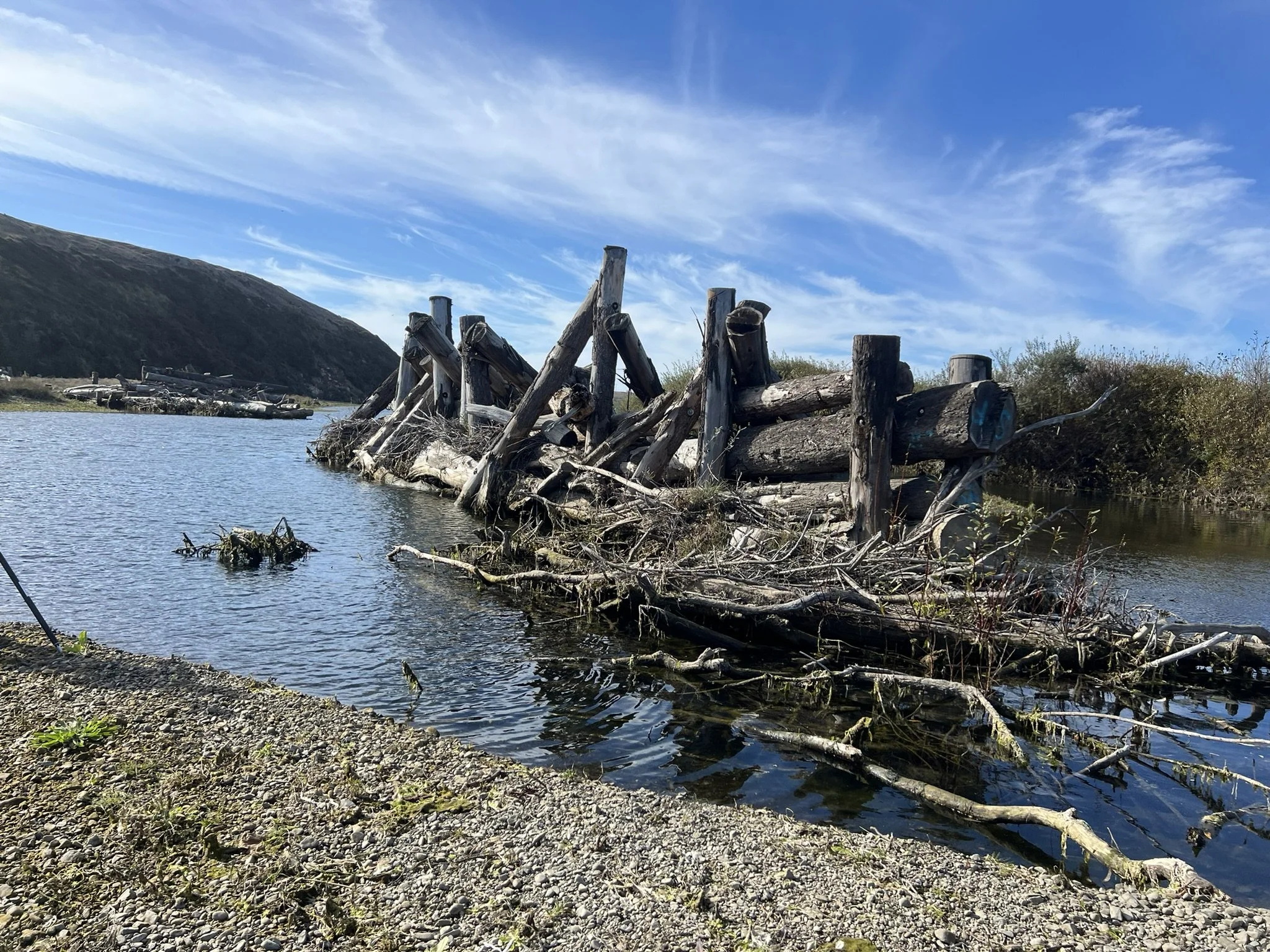
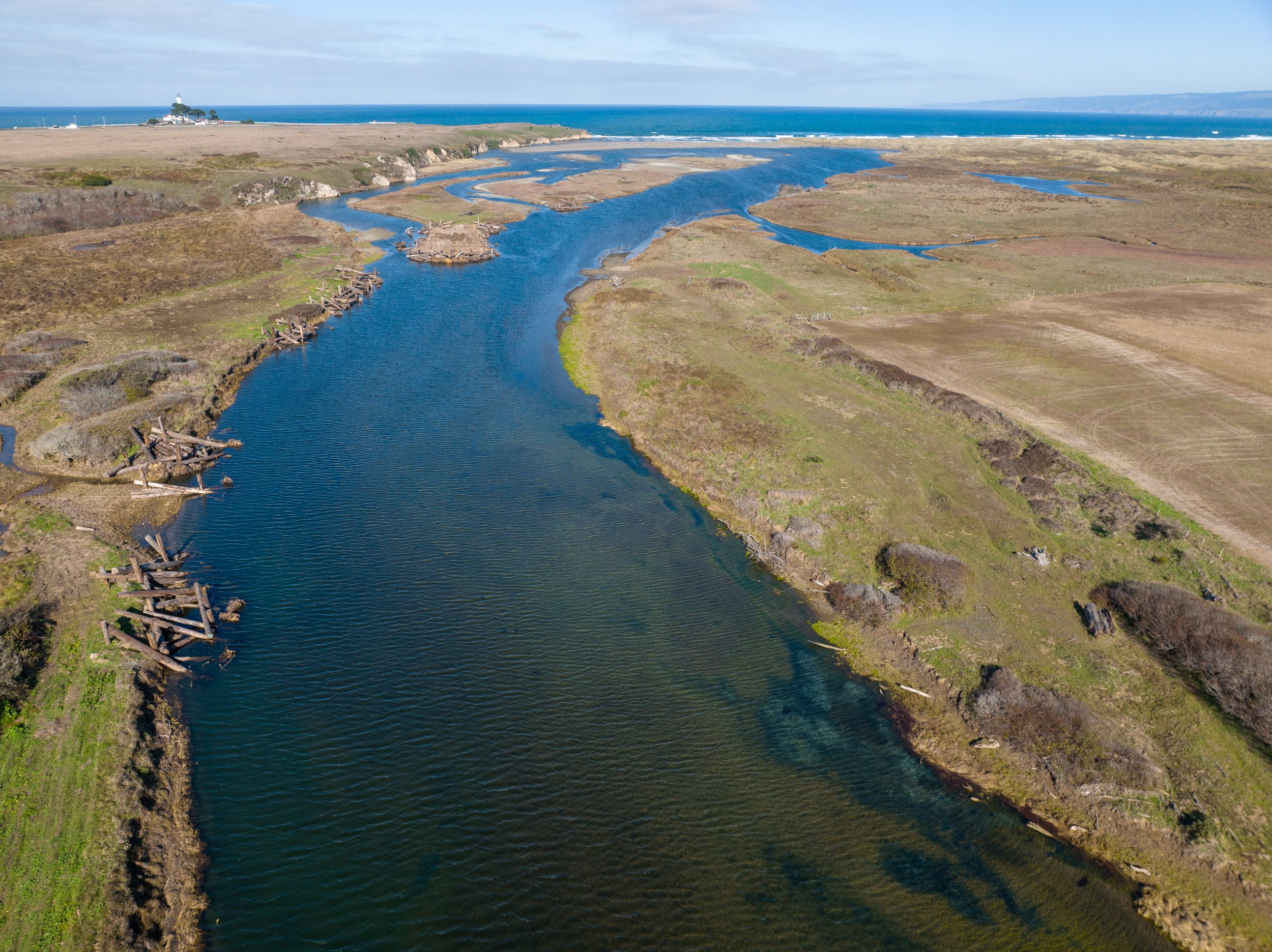
The river, floodplains, wetlands and estuary surrounding the Garcia River, located 40 miles south of Fort Bragg, support important coastal habitat, plants and wildlife, including a variety of special-status species. Historic land use practices over the last 150 years have simplified channels and disconnected rivers from their floodplains. As a result, the watershed has lost 95% of its original winter salmon habitat and hosts one of the region’s few remaining independent wild coho populations. The Garcia River coho salmon population recovery is a high priority for the National Marine Fisheries Service and other state/federal agencies.
Location: Mendocino County, CA
Client: The Nature Conservancy
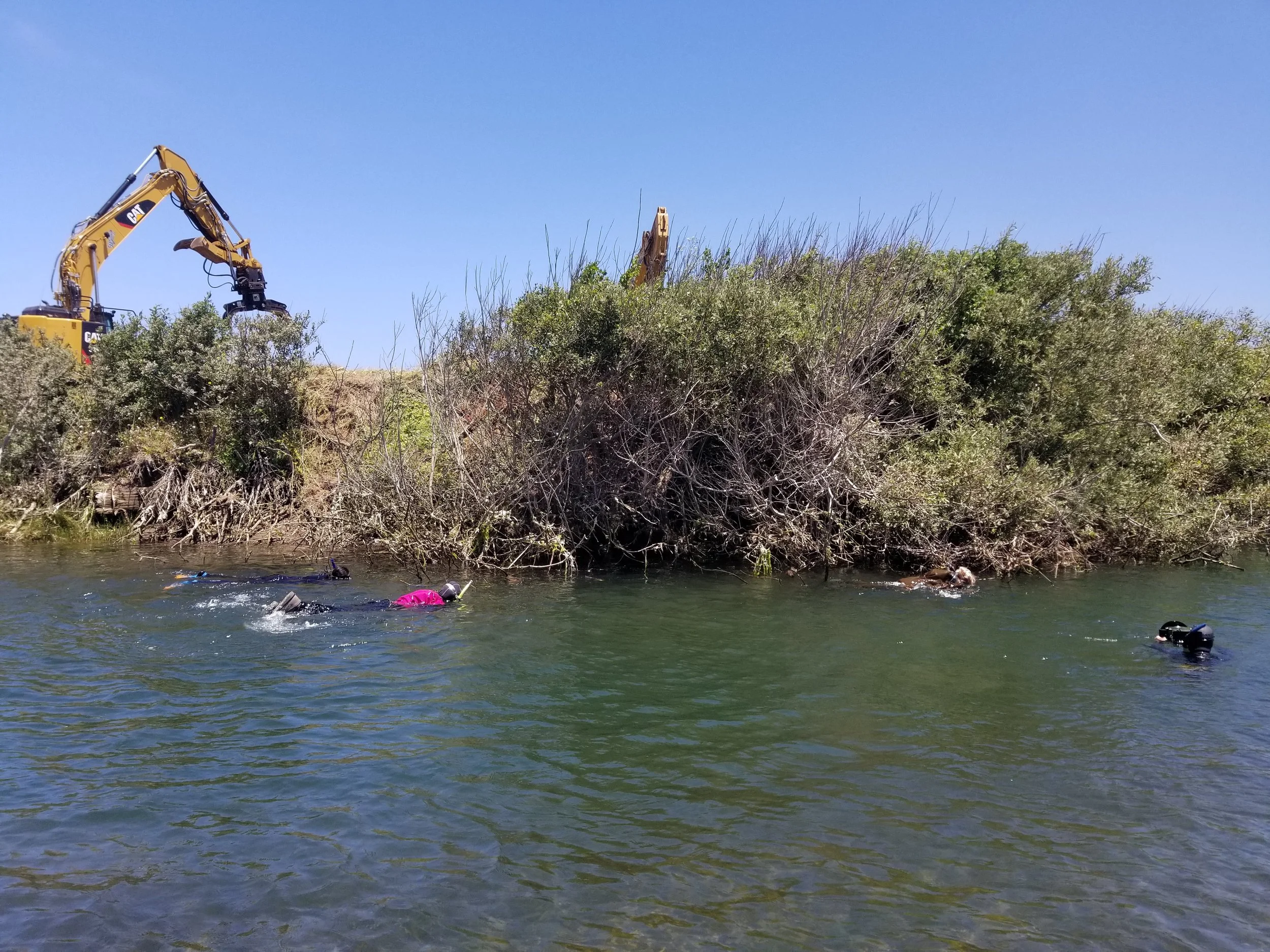
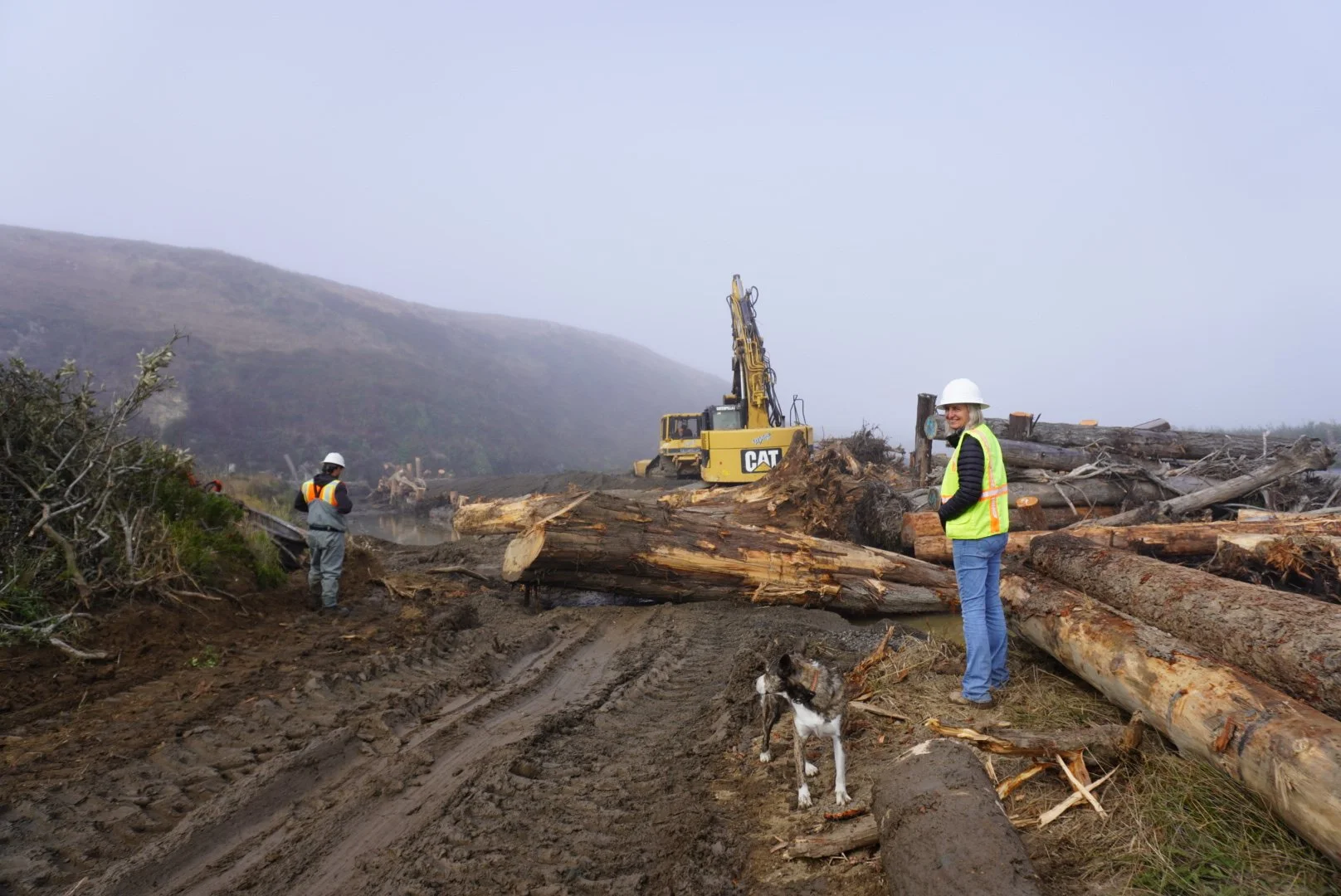
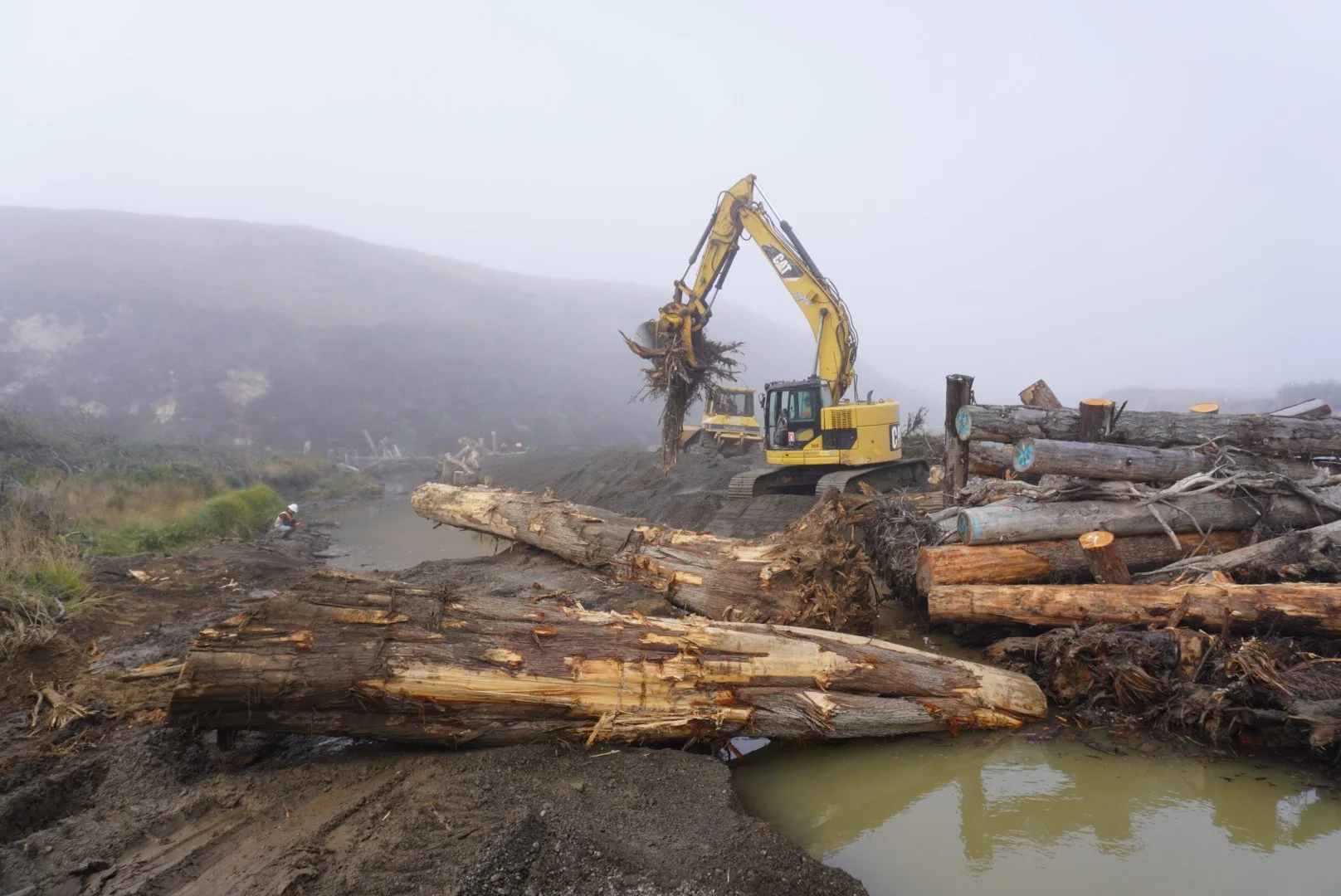
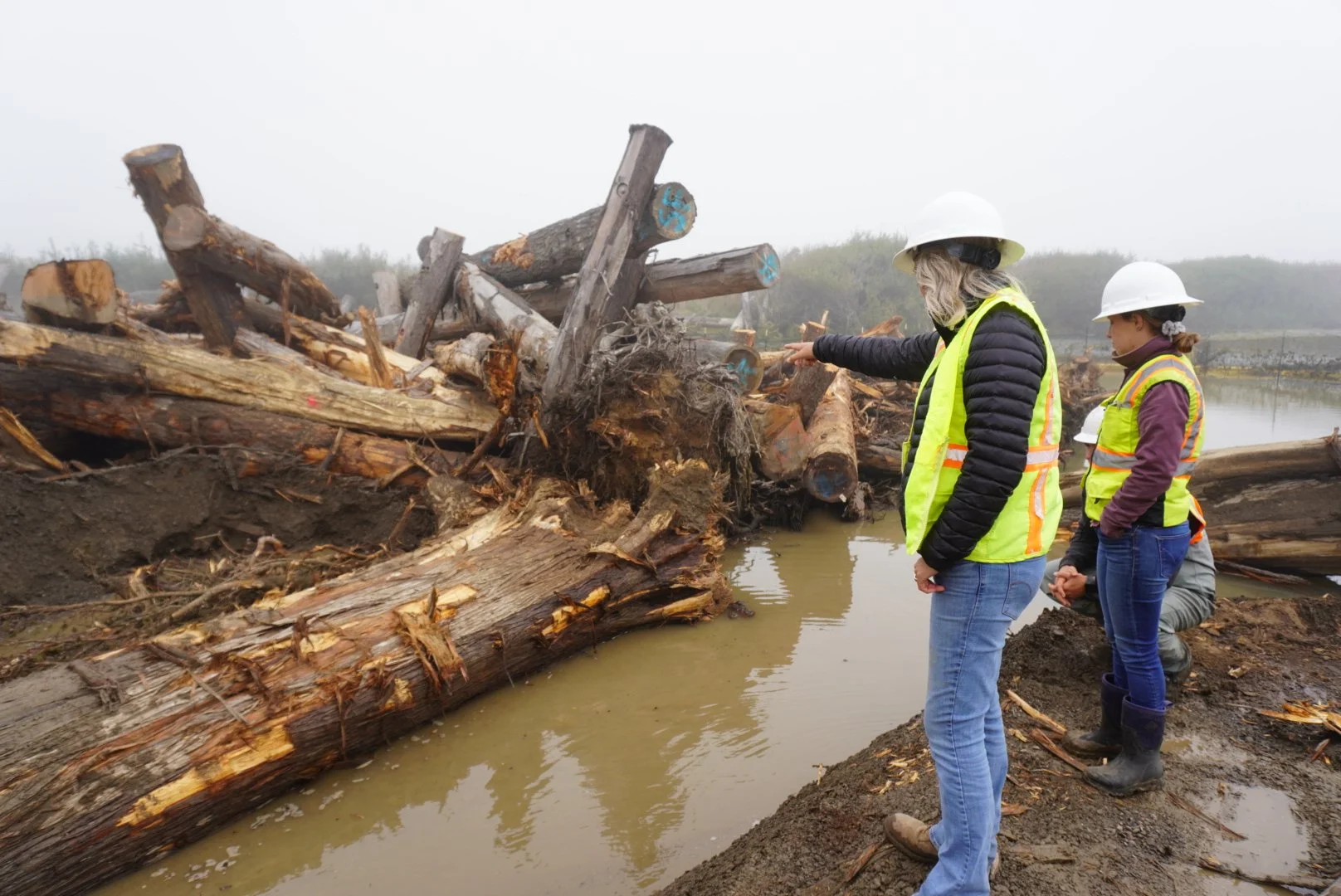
The Nature Conservancy (TNC) has been working to protect and improve salmonid habitat within the Garcia River watershed, and contracted with PCI Ecological to design, permit, and implement an integrated suite of winter rearing habitats and refugia that will significantly increase the survival and growth of juvenile fish-rearing in the Garcia River and estuary. PCI Ecological and TNC convened a Technical Advisory Committee (TAC) to provide project input and direct assessments and design objectives. Committee members included: California Department of Fish and Wildlife, NMFS, NOAA Restoration Center, State Water Quality Control Board, UC Davis-Bodega Marine Lab, and Bureau of Land Management as well as TNC and PCI Ecological. PCI’s work included protecting and restoring sensitive wetlands and special-status plant populations in conjunction with salmonid habitat improvements.
Project Goals
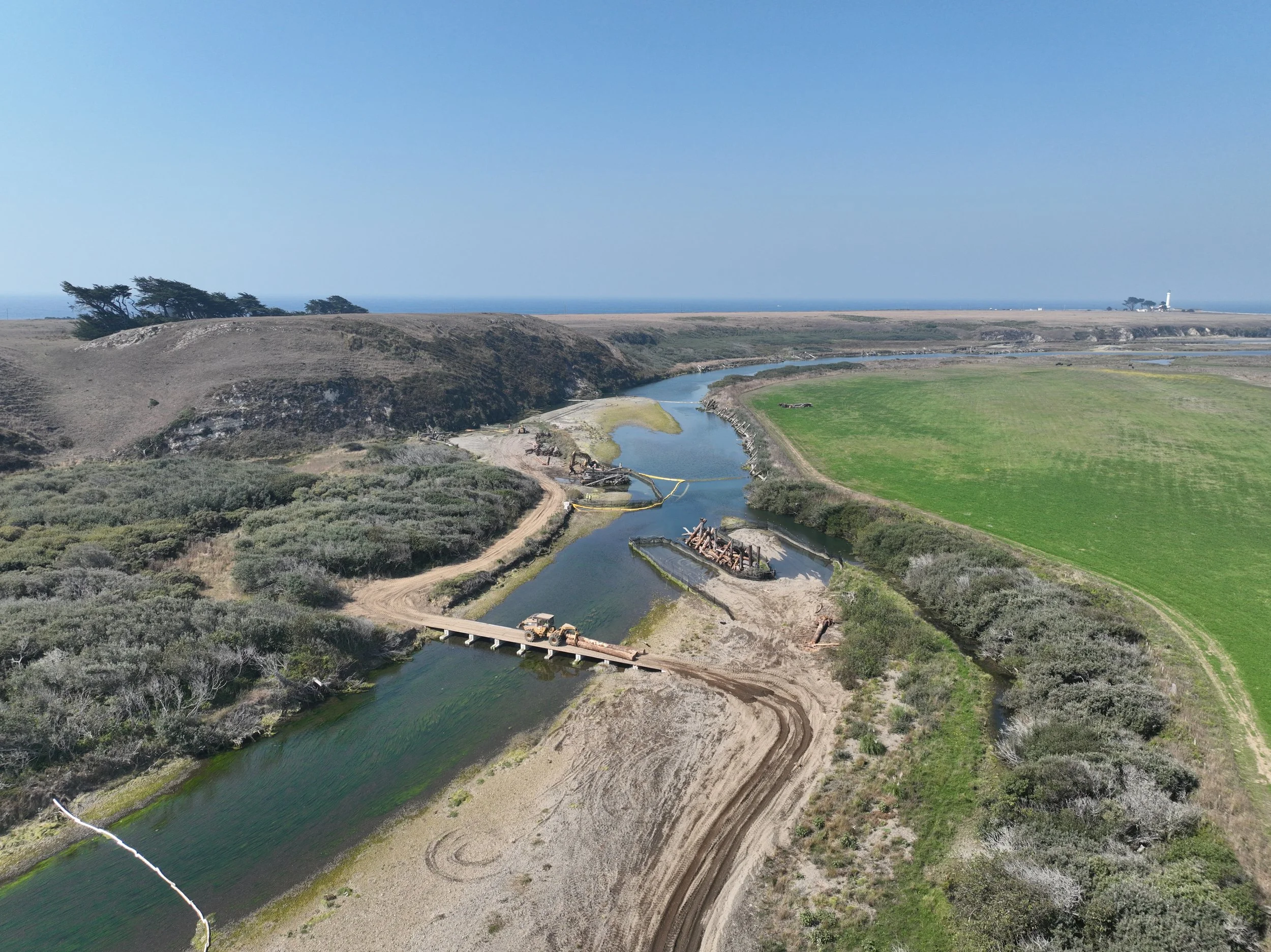
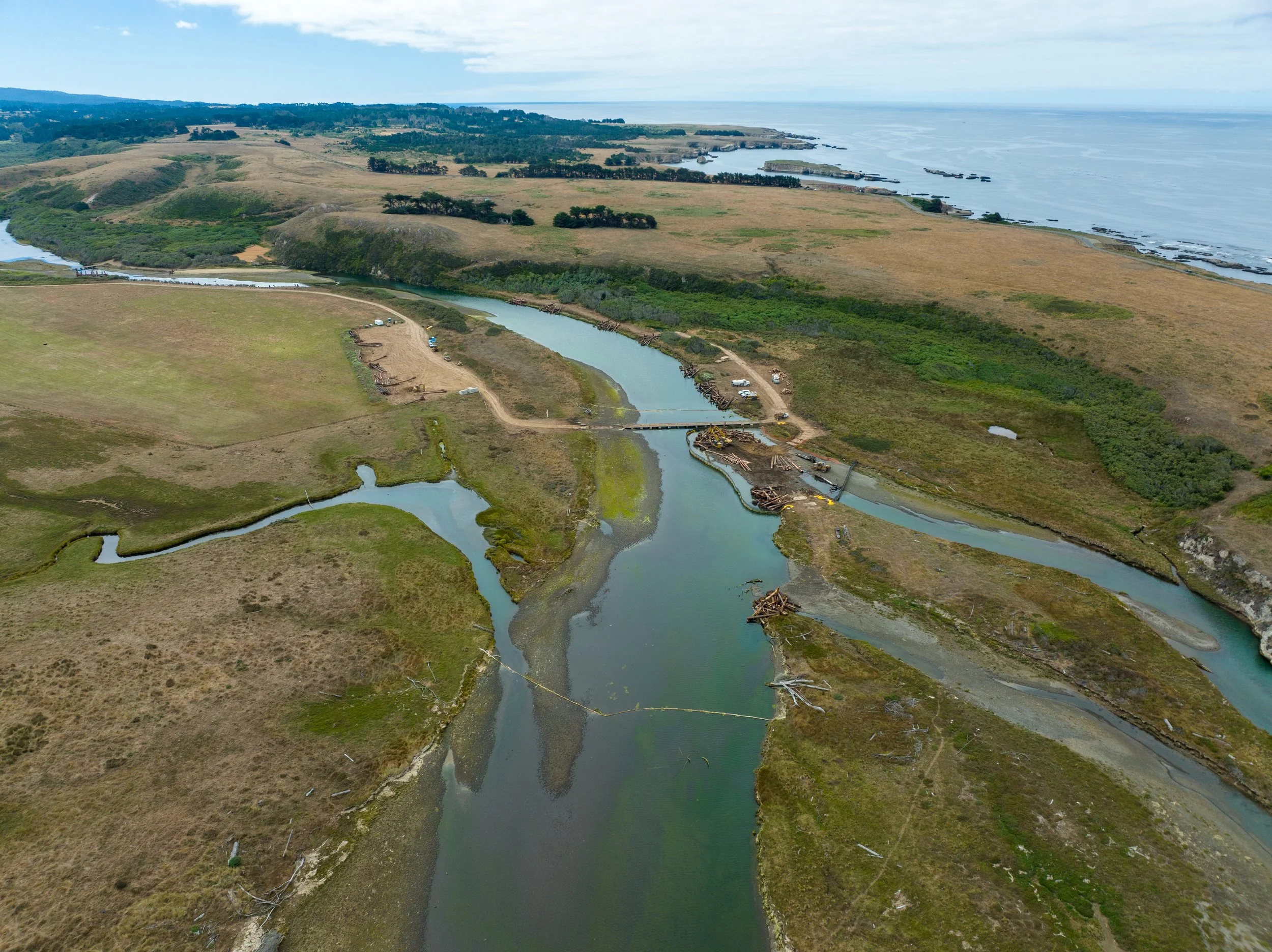
Implement a habitat enhancement project in the middle Garcia River estuary,
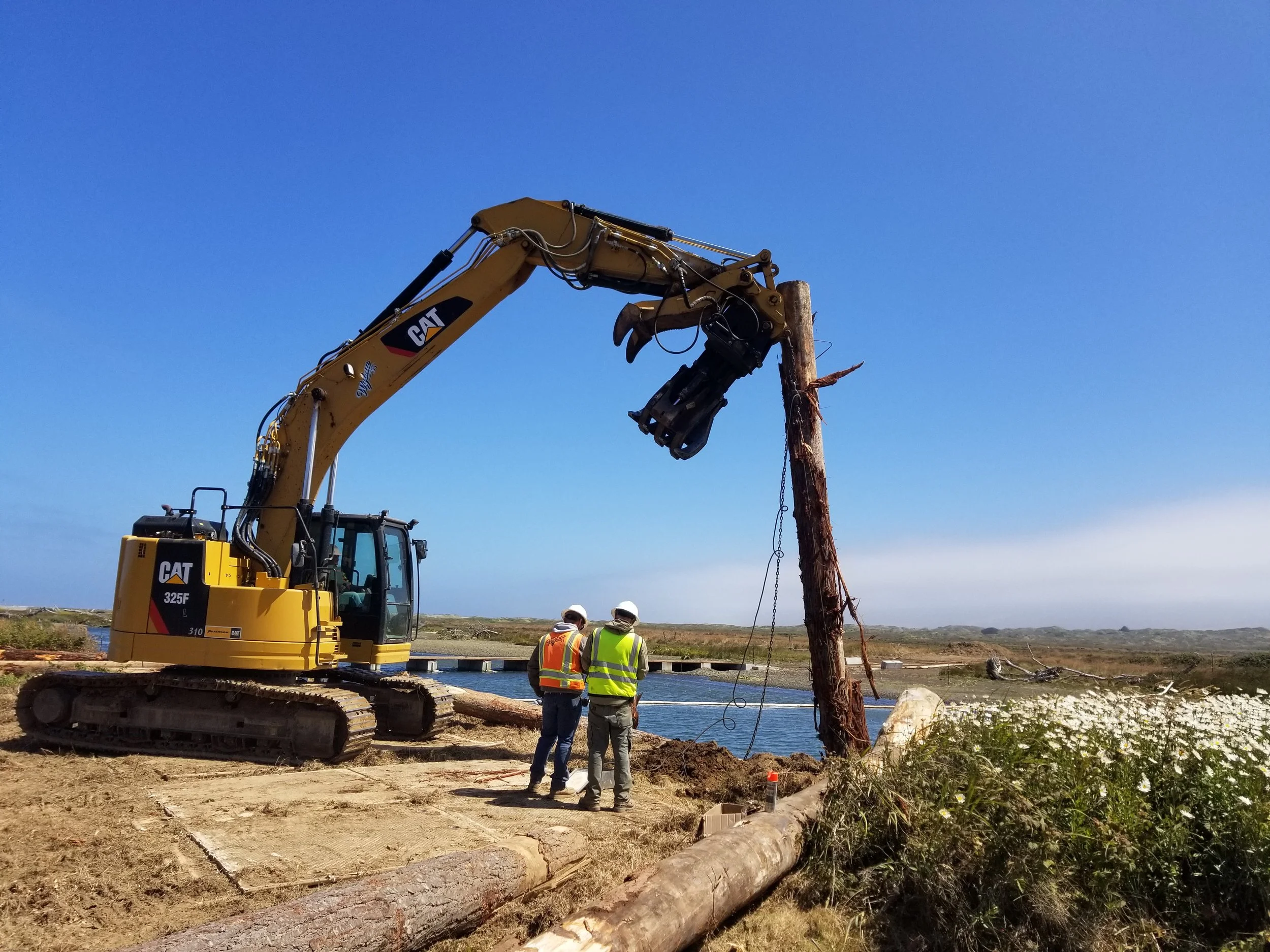
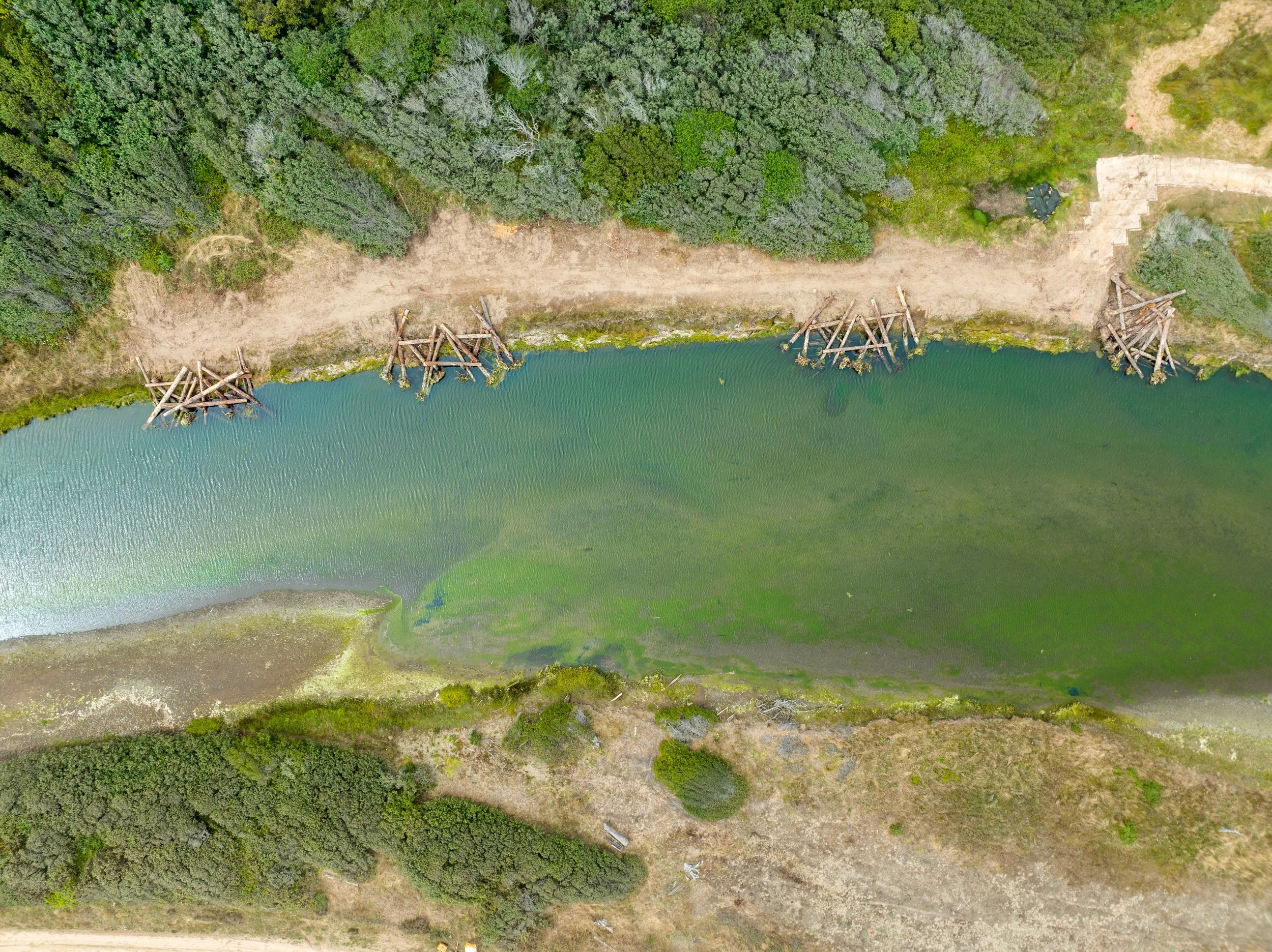
Re-create complex in-channel wood features and two off-channel floodplain refugia
Create sufficient winter and spring rearing habitat for 54,000 juvenile coho
project benefits
Increase extent and value of in-channel and floodplain habitat for salmonids
Improve critical habitat, high flow refugia, and create a rich feeding environment
Improve hydrologic connection between floodplains and the main channel, increase channel complexity
PARTNERSHIPS