Mendocino County, CA
Lower Ten Mile River Salmonid Habitat Enhancement Design and Regulatory Compliance
Project Details
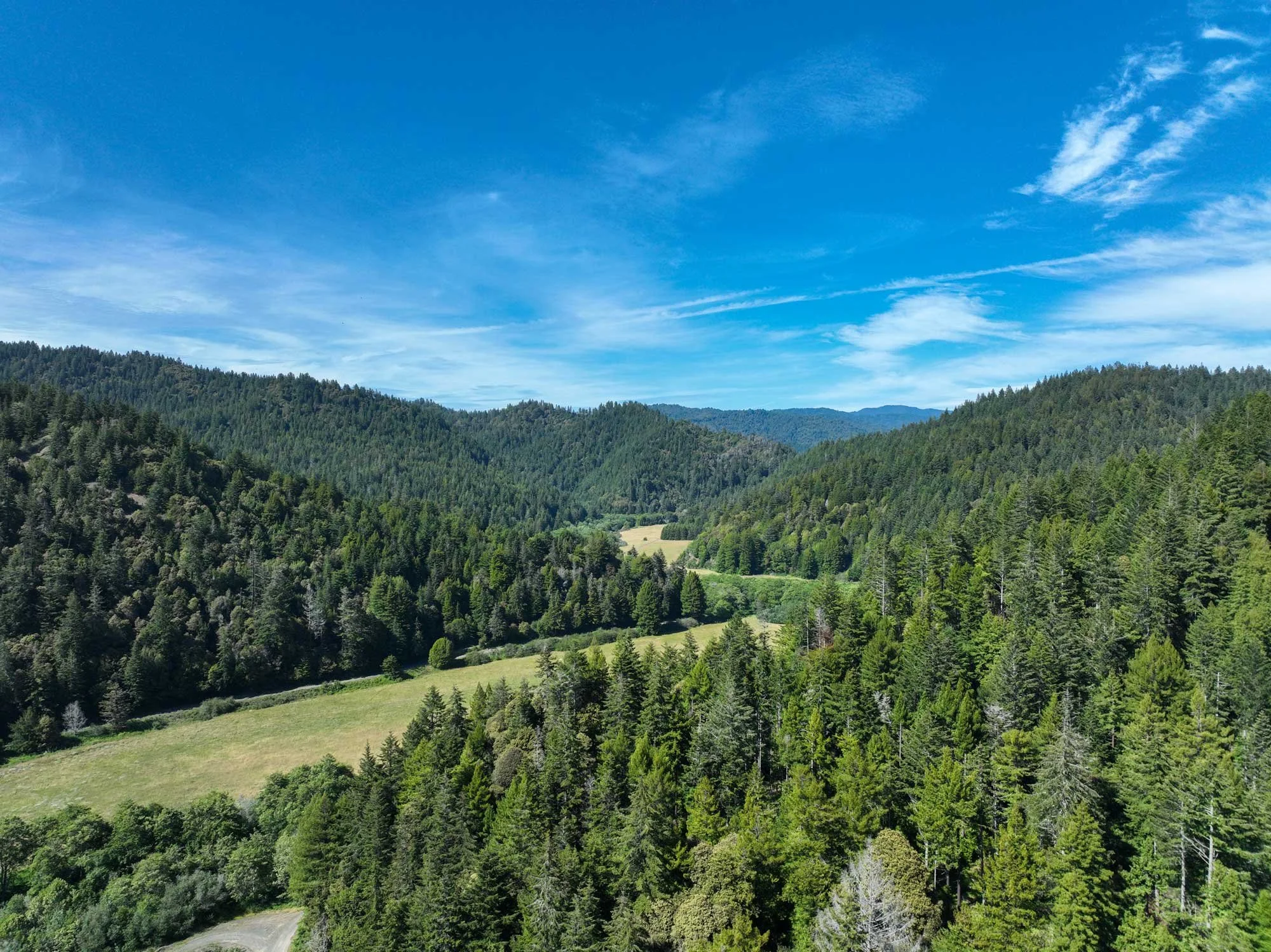
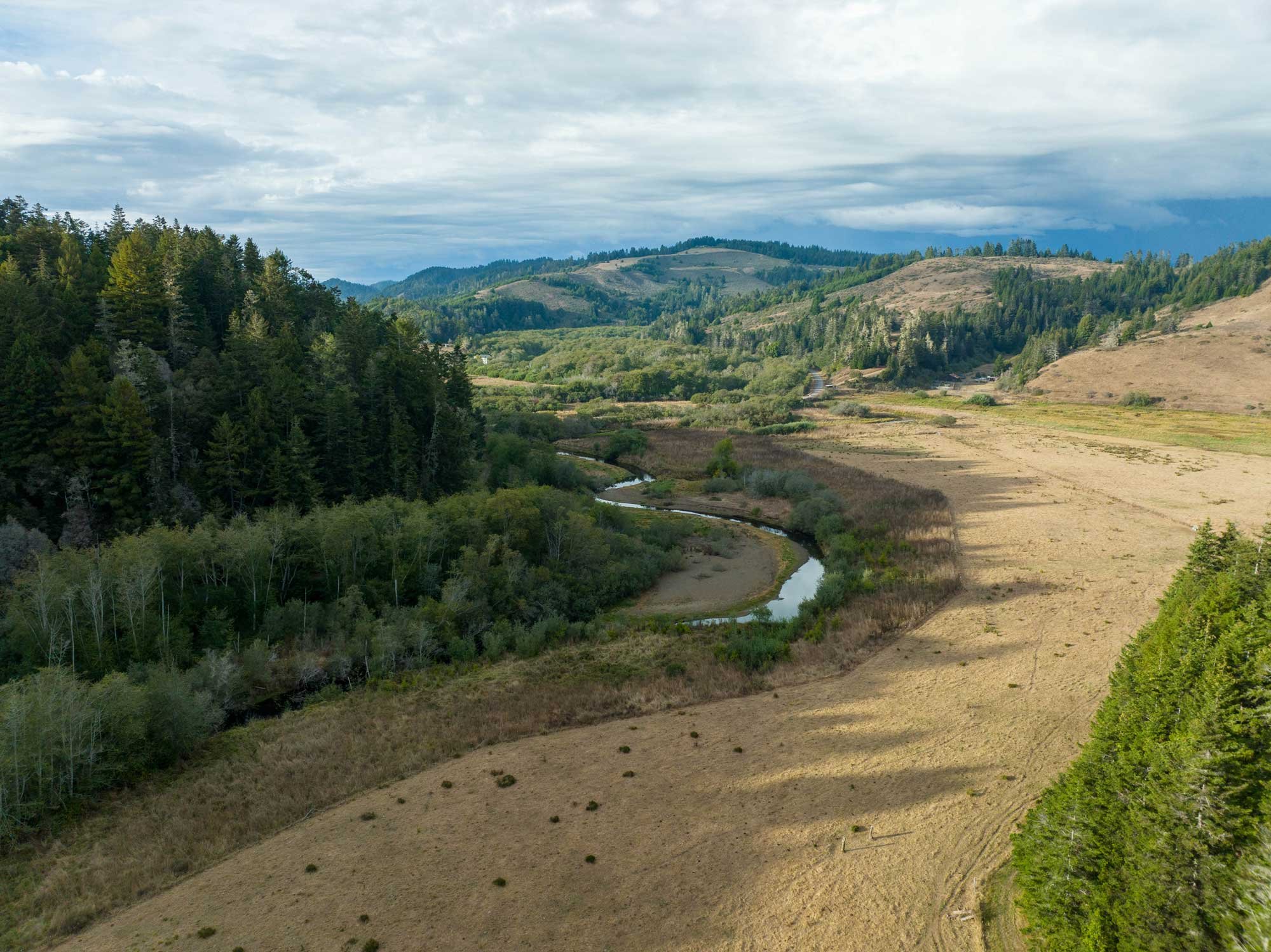
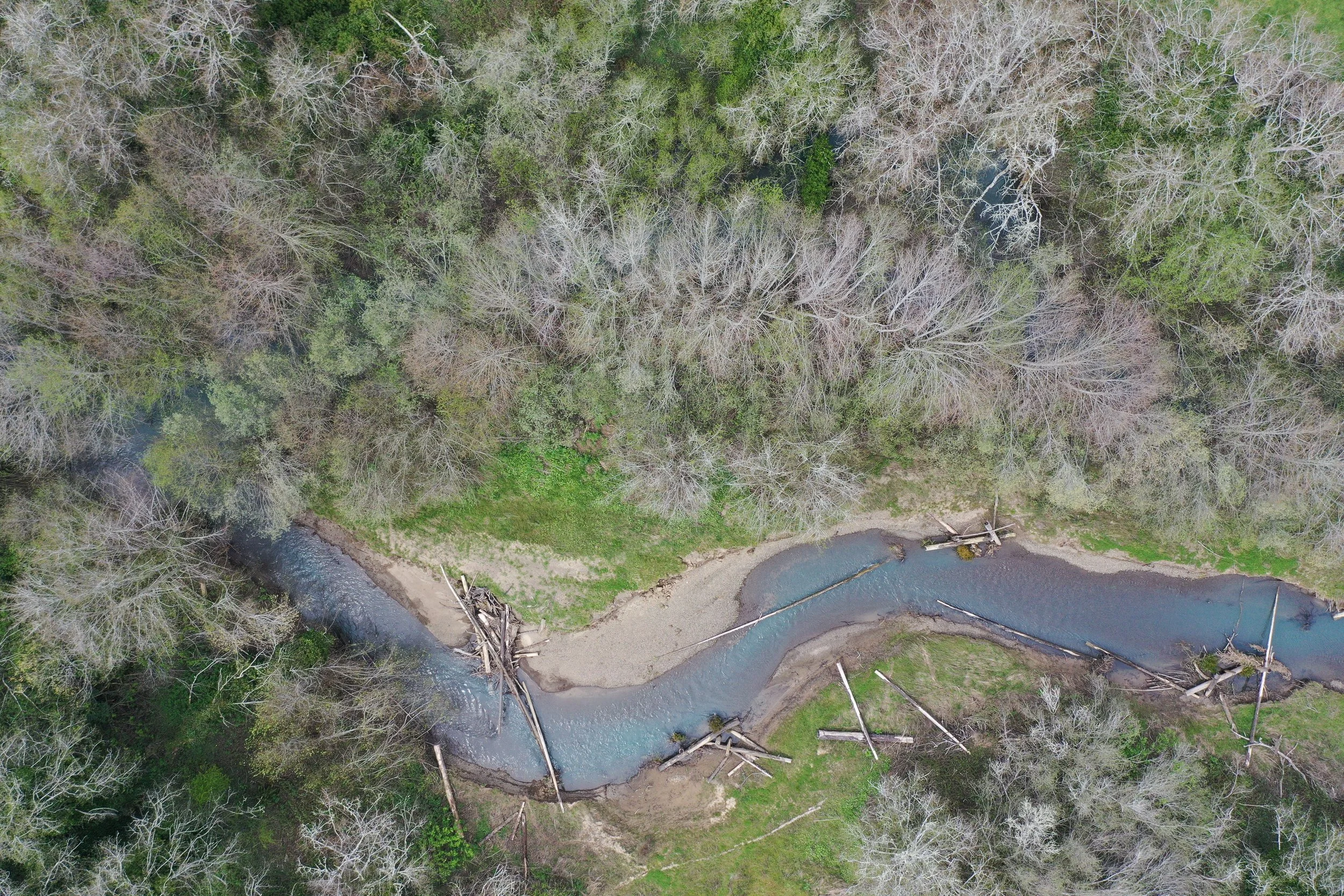
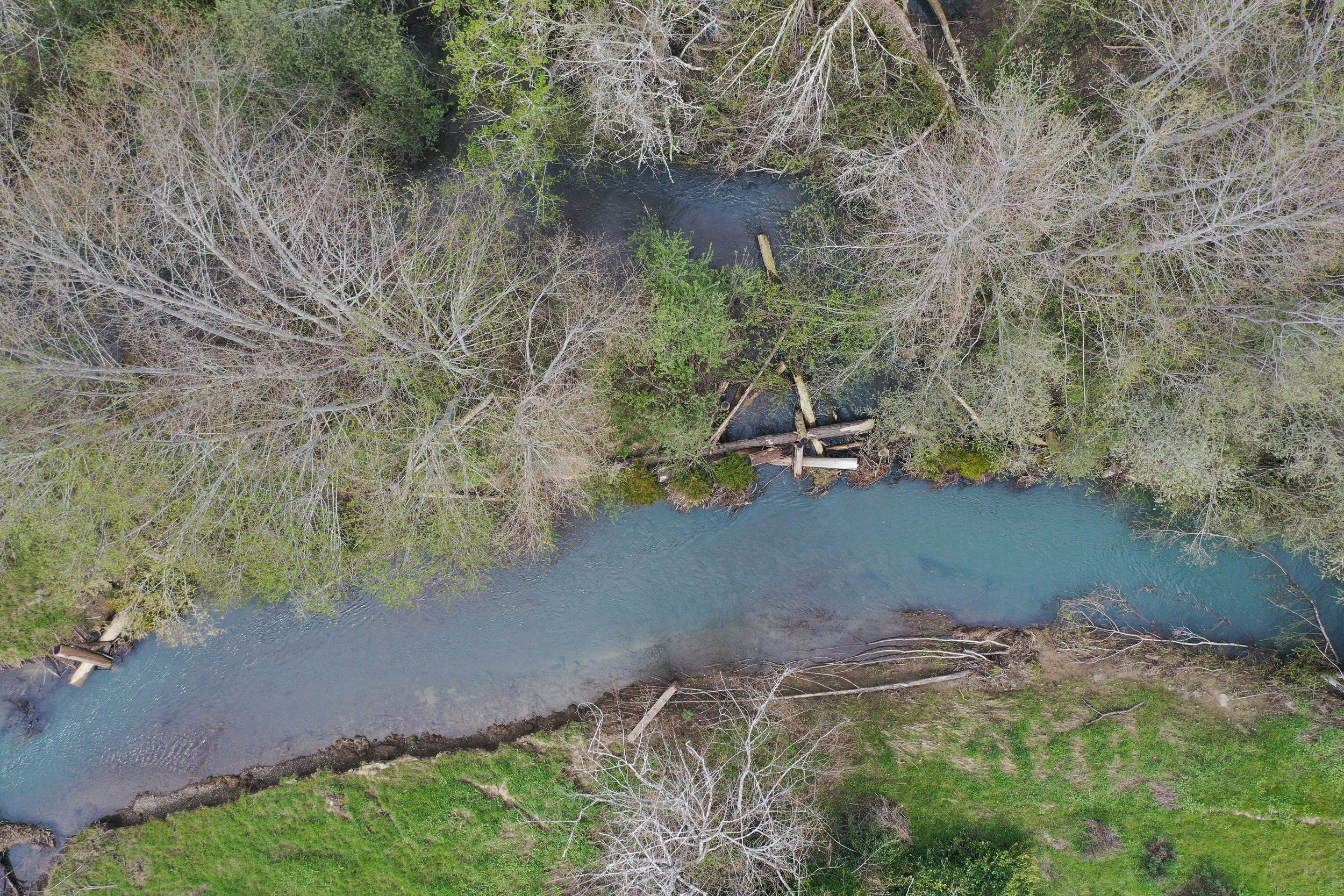
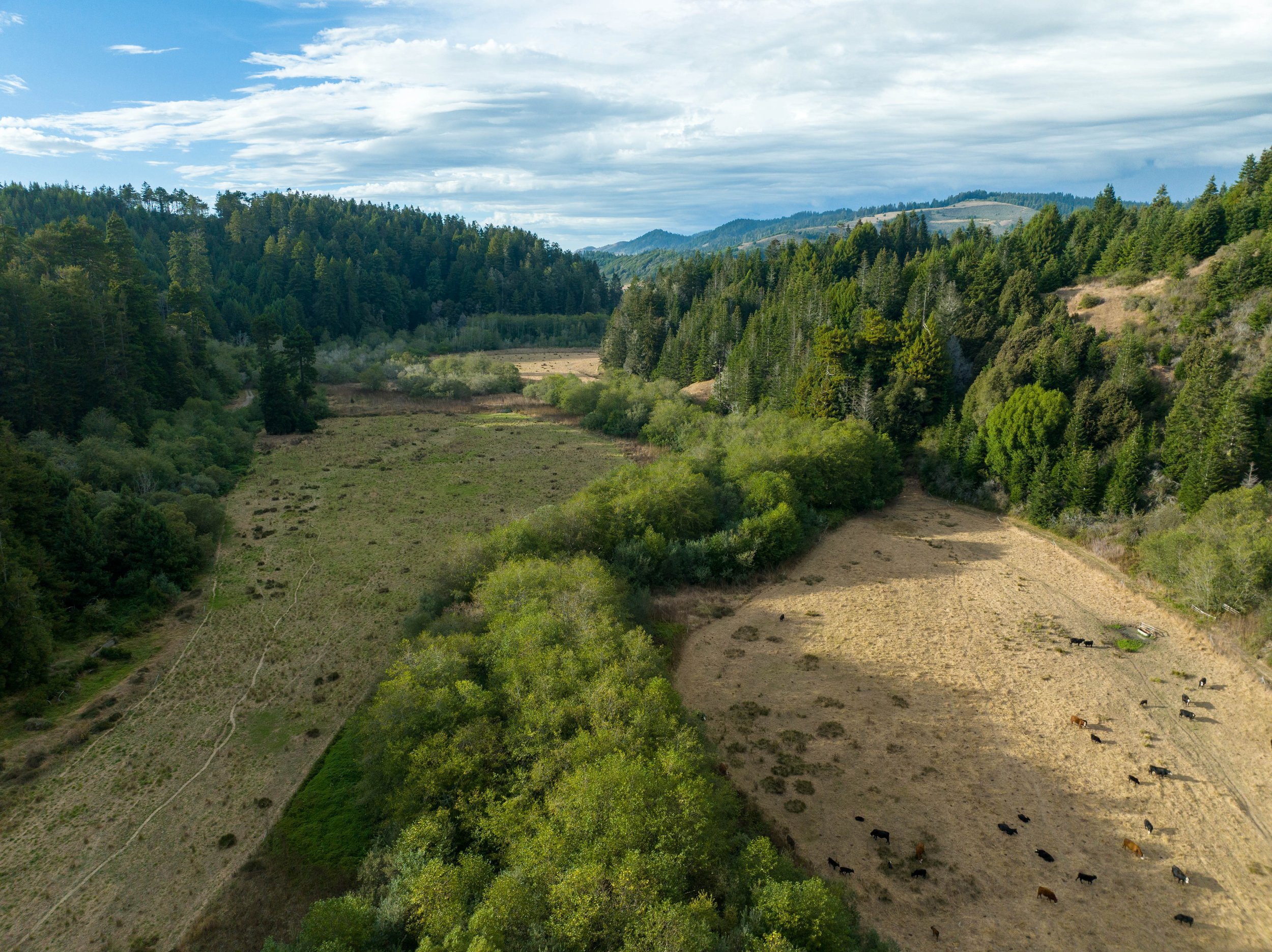
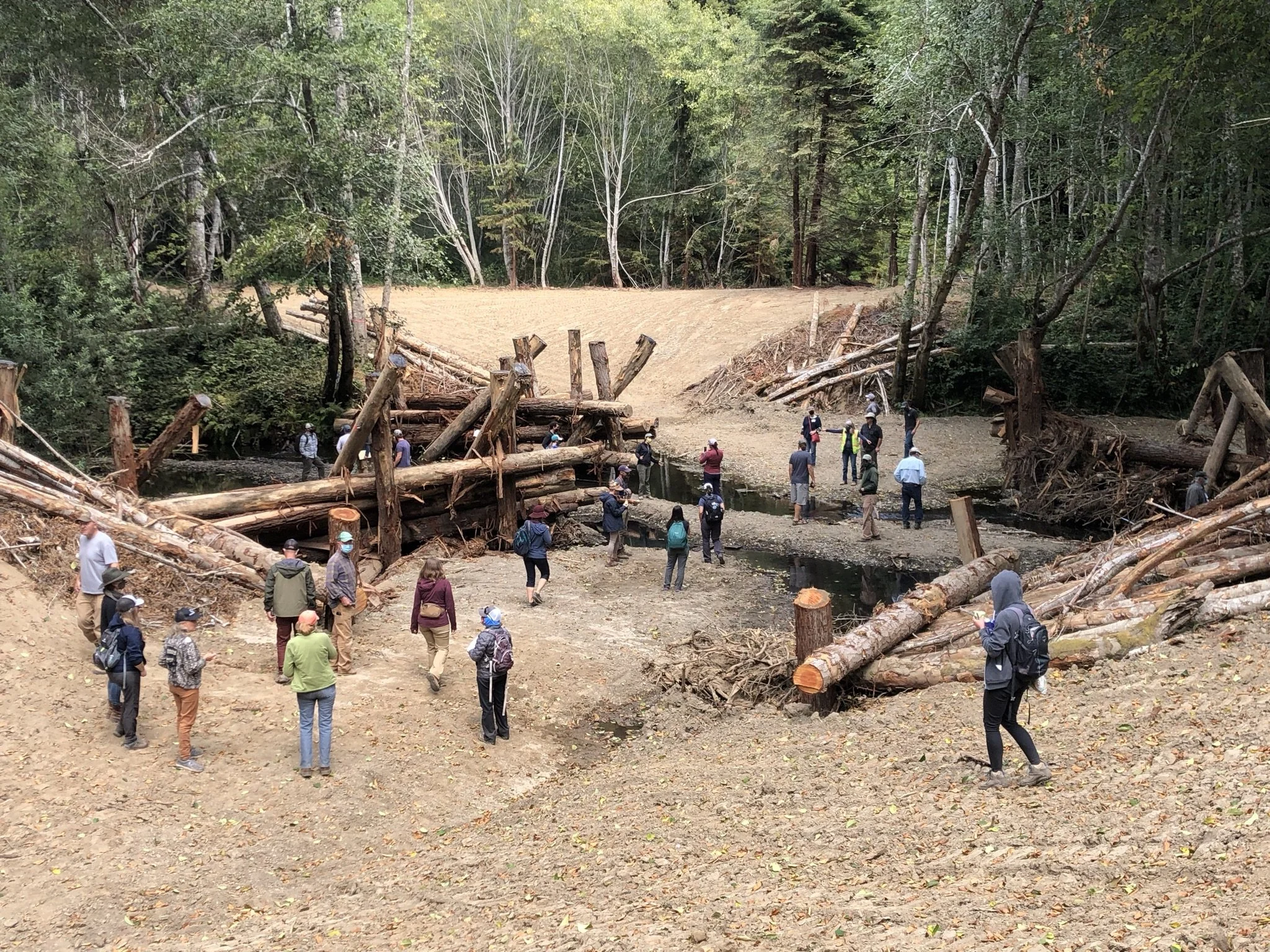
The Ten Mile River Watershed in Mendocino County, California is considered an important watershed for maintaining and recovering populations of coho salmon, steelhead, and Chinook salmon by National Marine Fisheries Service (NMFS) and the California Department of Fish and Wildlife (CDFW). Increased amounts of healthy winter rearing key to the recovery of the species, and the potential for effective restoration is high. Restoration activities include creation of a low-velocity environment for salmonids to thrive and survive, including creation of off-channel ponds, side channels, flooded wetlands, low elevation floodplains, and complex in-channel habitat associated with large wood habitat features.
Location: Mendocino County, CA
Client: The Nature Conservancy
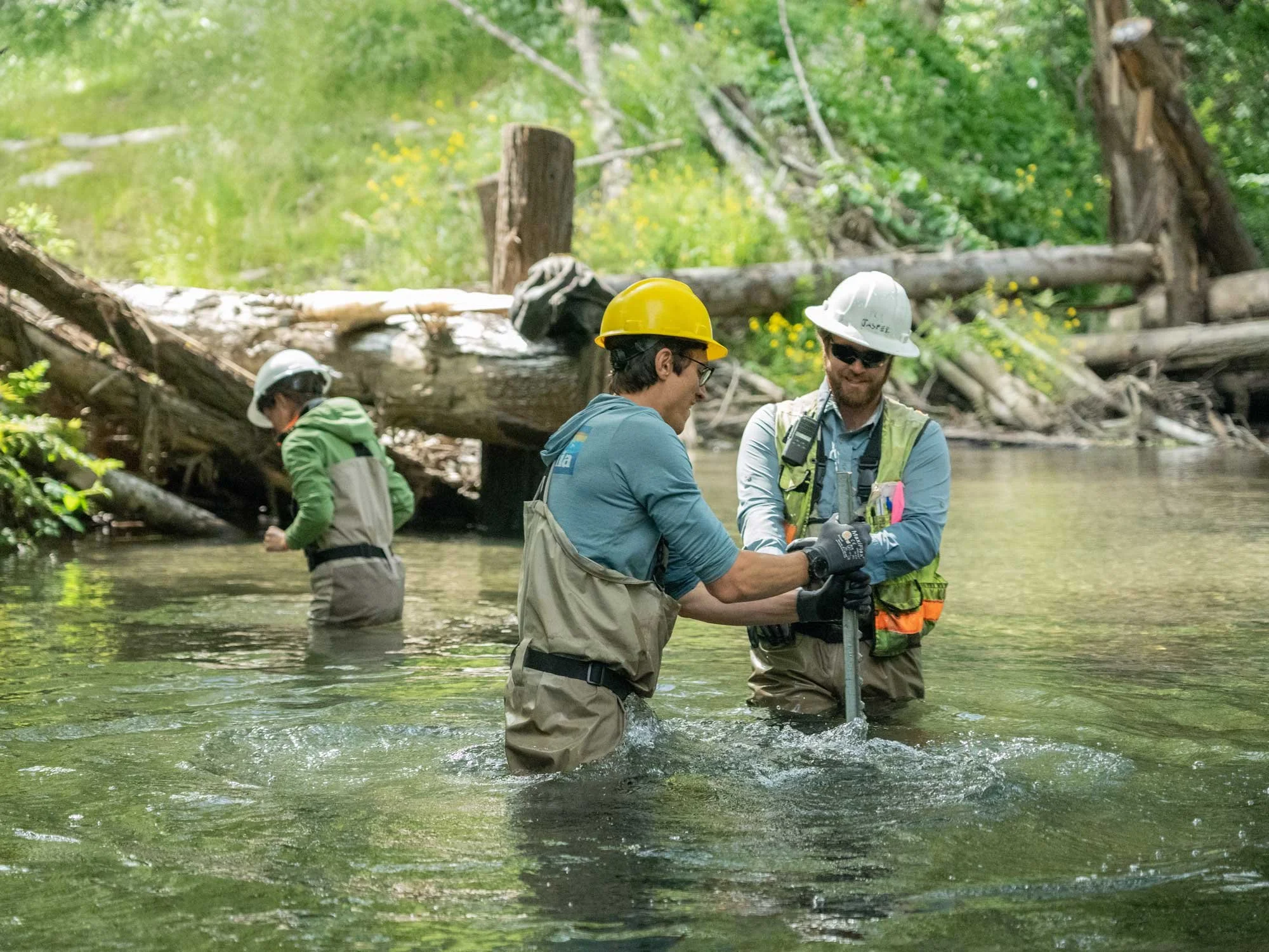
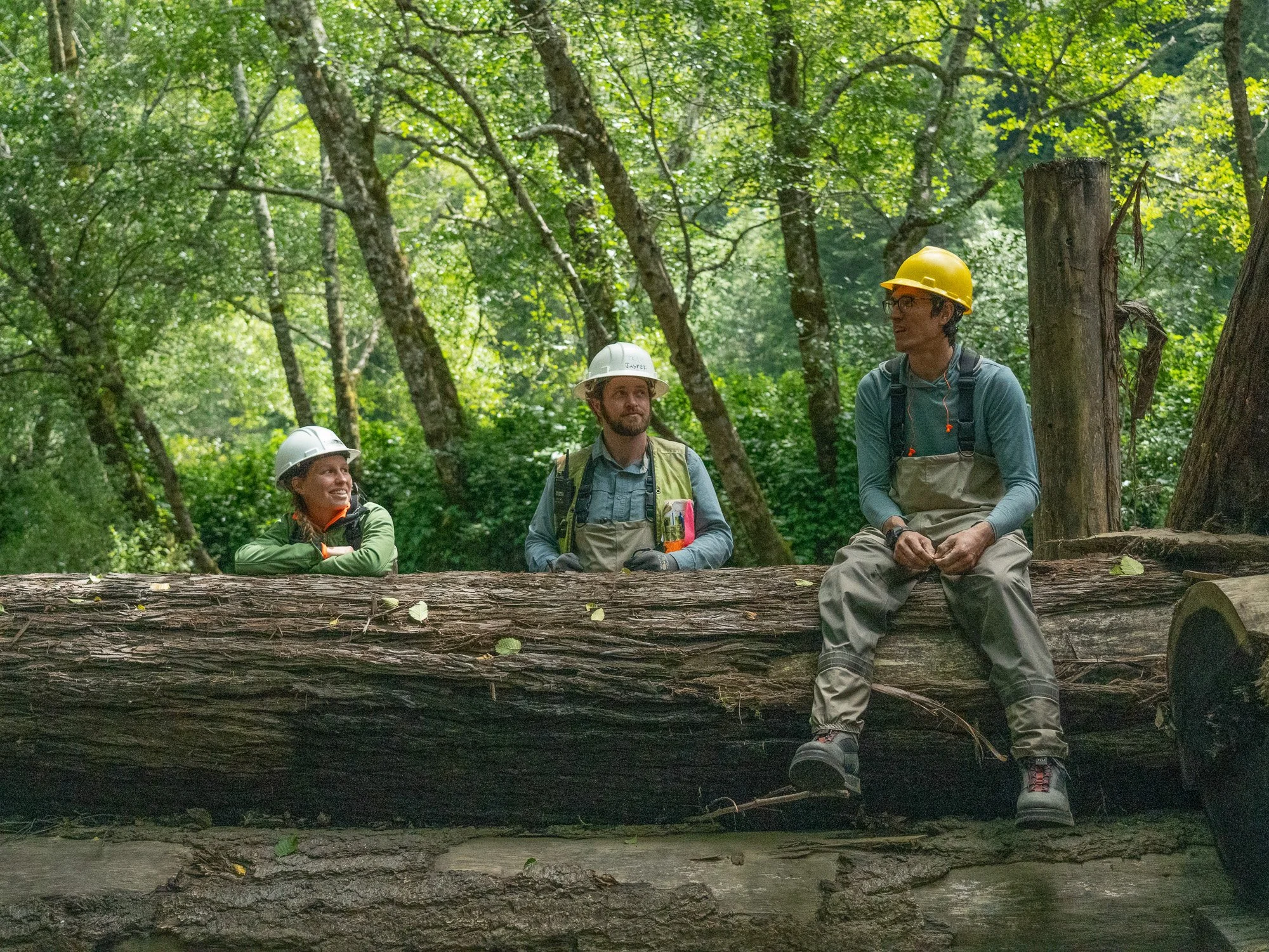
The Nature Conservancy (TNC) to plan and design projects to improve salmonid habitat value in the lower 1.7 miles of the South Fork Ten Mile River and 4.5 miles of the mainstem Ten Mile River in Mendocino County, California. PCI Ecological developed a Habitat Enhancement Plan that identified conceptual designs for 20 site-specific locations on the South Fork and 13 locations on the mainstem Ten Mile River to create salmonid habitat based on channel dynamics, topographic opportunities, and habitat needs. Ten of these have been constructed with more on the way in 2024 and 2025. PCI Ecological serves as project designers, regulatory planners, biologists and as construction manager and on-site designer/engineering representative during construction.
Permitting
PCI Ecological uses numerous restoration permitting pathways to secure the authorizations needed to construct these projects:
CDFW’s Cutting the Green Tape and Regional Water Board permitting teams
NOAA Fisheries and U.S. Fish and Wildlife Service’s Programmatic Biological Opinions
Coastal Commission Federal Consistency Determination
Regional Water Board General Order Water Quality Certification for Large Scale Restoration projects
Army Corps Nationwide Permit 27 for Restoration Projects, and;
CDFW Restoration Management Permit and 1600 LSAA.
Funding
With proposal preparation and technical review support from PCI Ecological, TNC was awarded $1.5 million in implementation funding from CDFW’s 2015/16 Fisheries Restoration Grant Program, Regional Water Board Mitigation funds in 2020, and Gimbel Foundation money in 2020.
Implementation
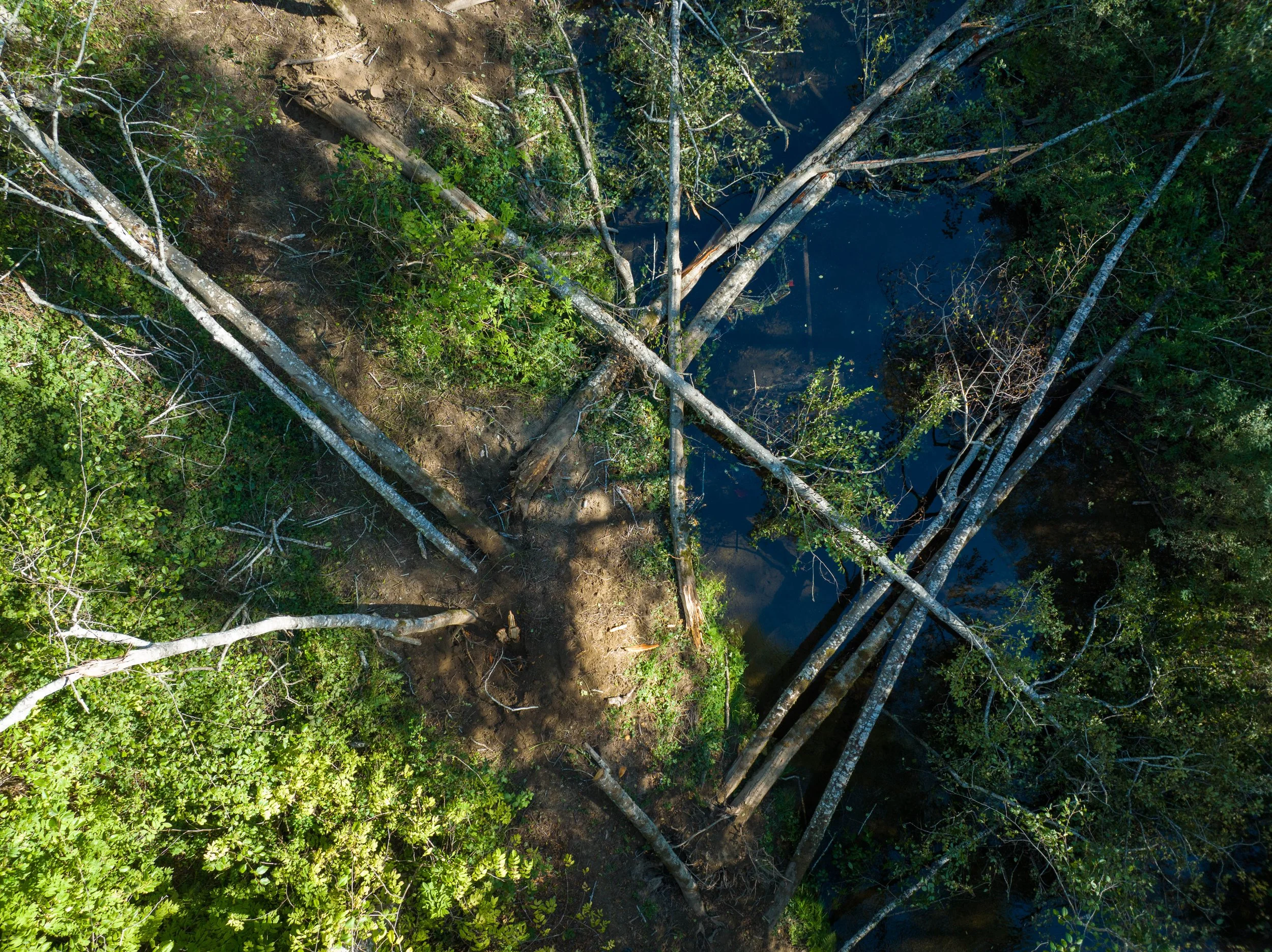
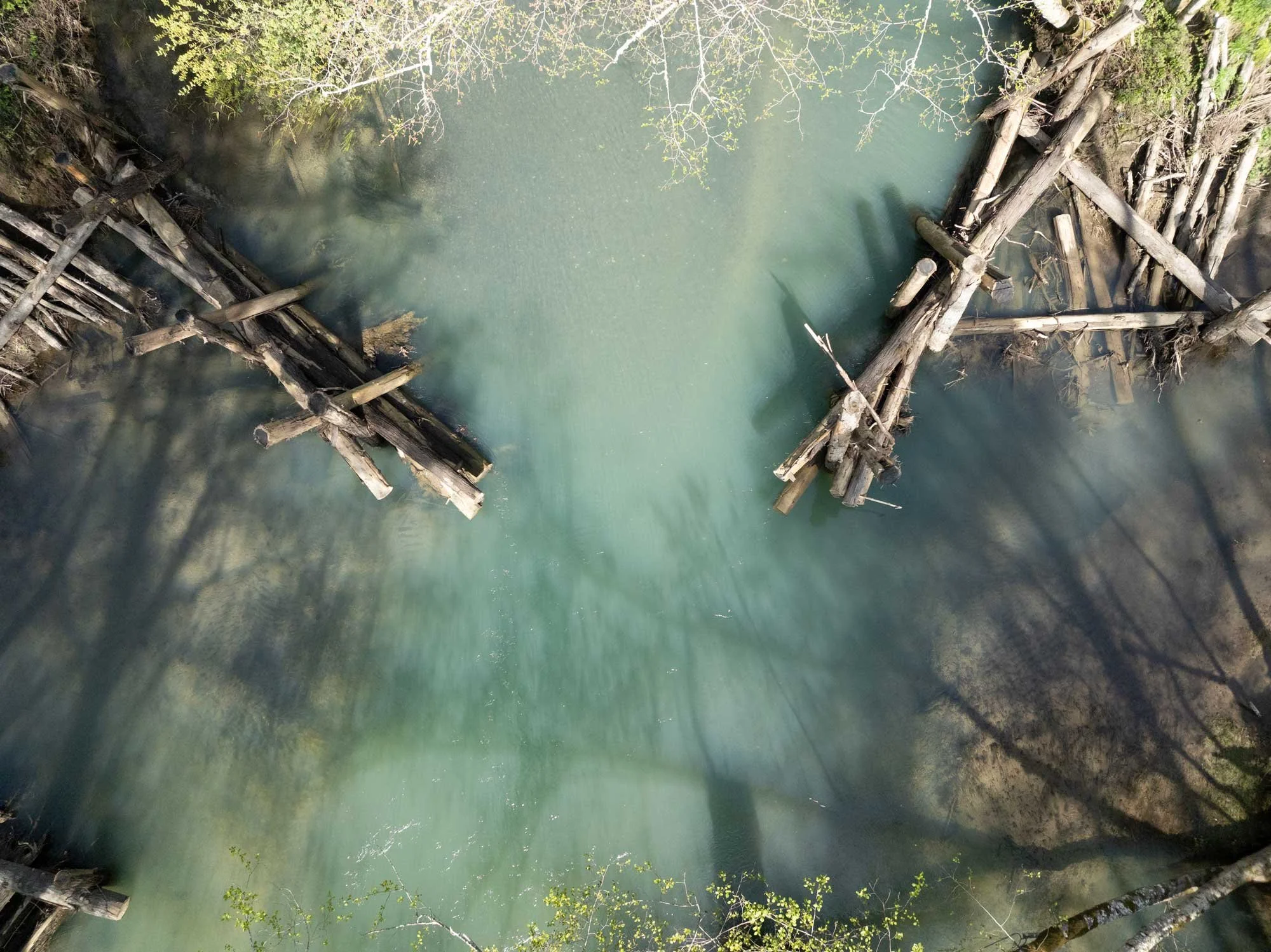
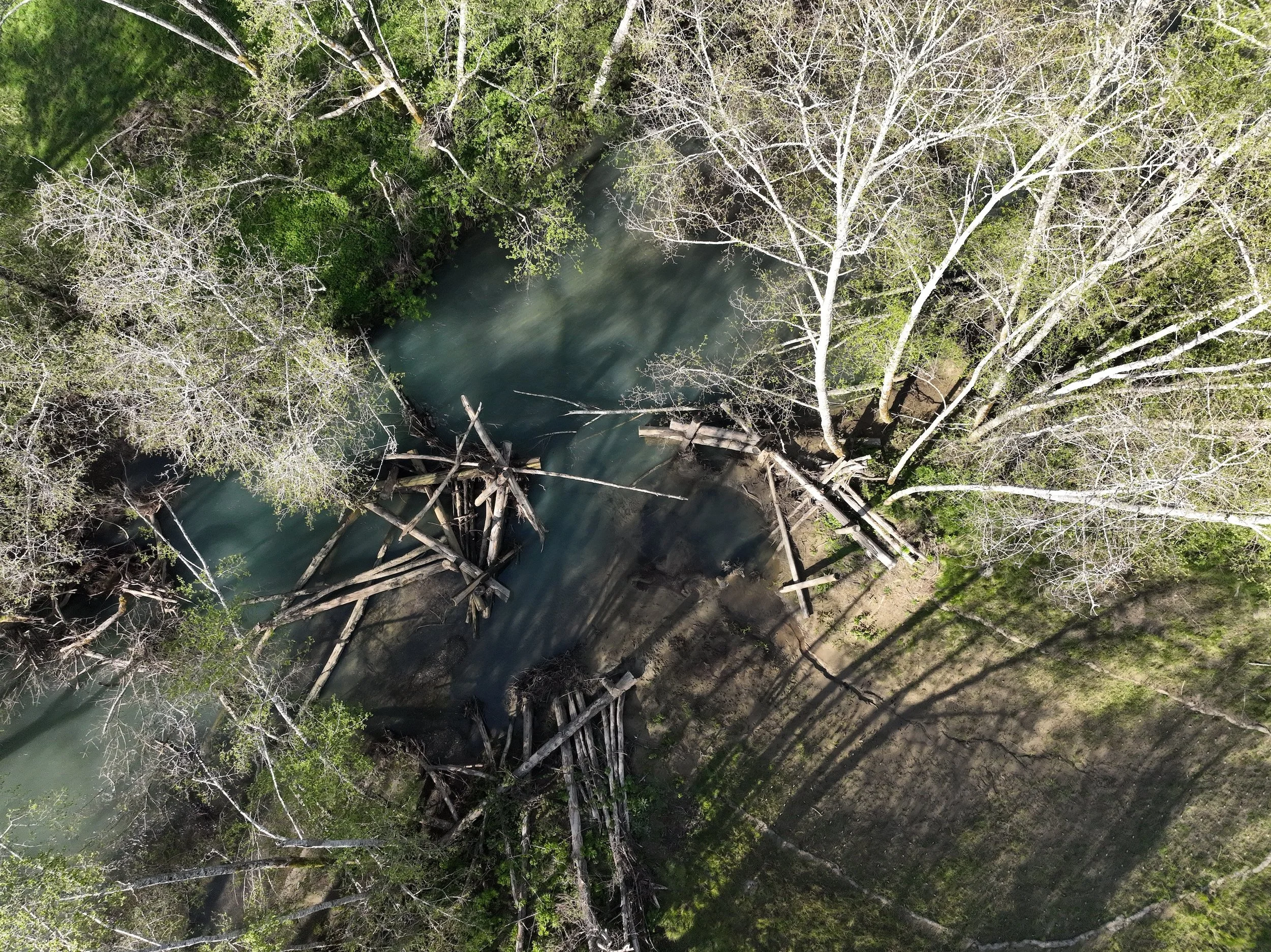
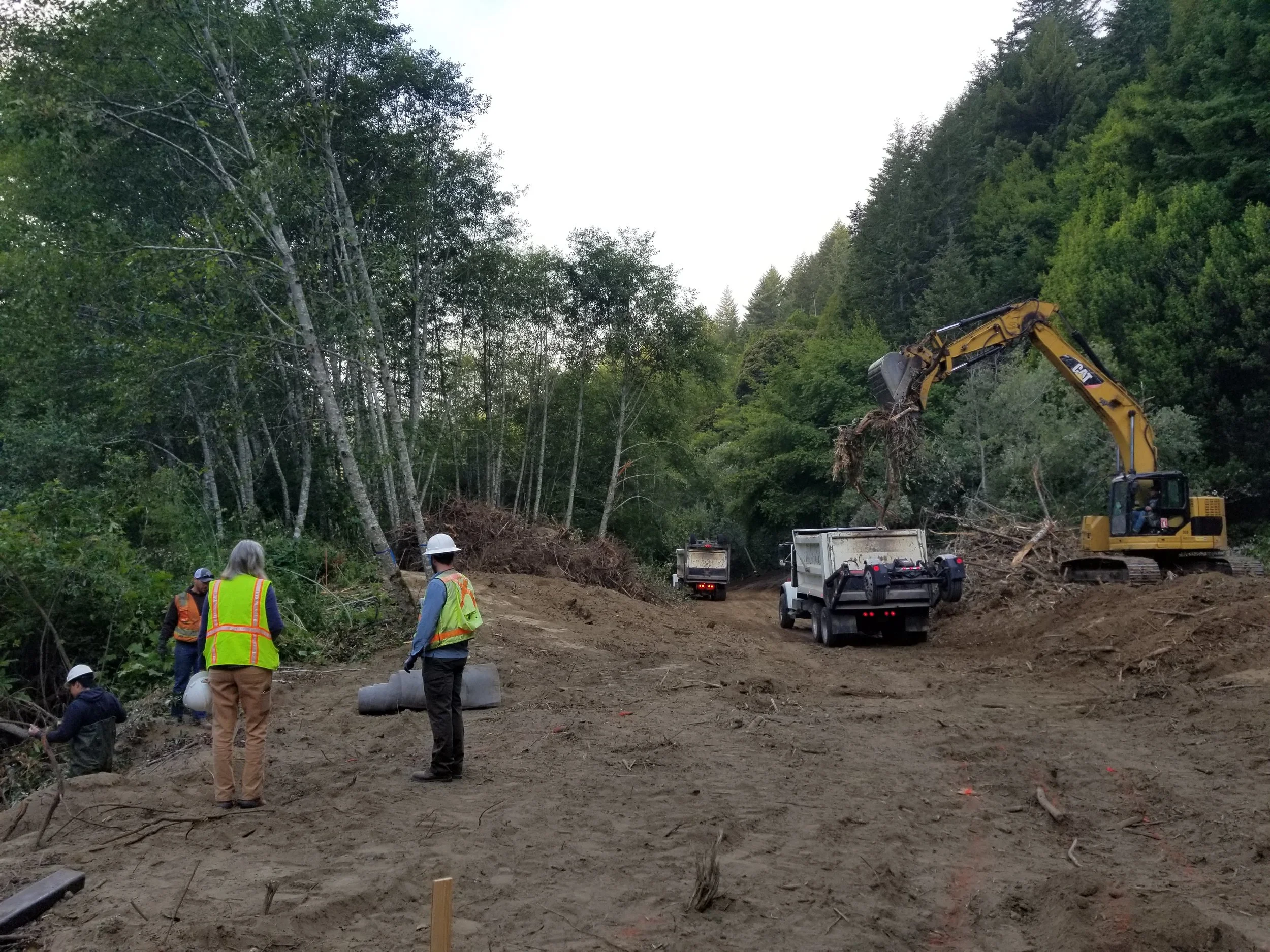
Implementation of critical habitat improvements began in 2018 and will continue through at least 2025. Improvements include construction of off-channel ponds, side and overflow channels, and engineered log jams. The project also piloted a novel restoration technique: bank softening with explosives to kick-start beneficial geomorphic processes and rapidly recruit large wood into the channel.
PARTNERSHIPS
Stillwater Sciences
Parker Family Ranch
Gill Family Forest Management
Smith Family Ranch
the nature conservancy
california water boards
california department of fish and wildlife
S.L. Gimbel Foundation
Next Steps
These habitat enhancements were featured in NOAA’s FY 2019-2020 report to Congress highlighting key restoration projects for coho recovery. Early returns from biological monitoring conducted by TNC and Stillwater Sciences suggest robust use of these habitat elements by coho and other salmonids.